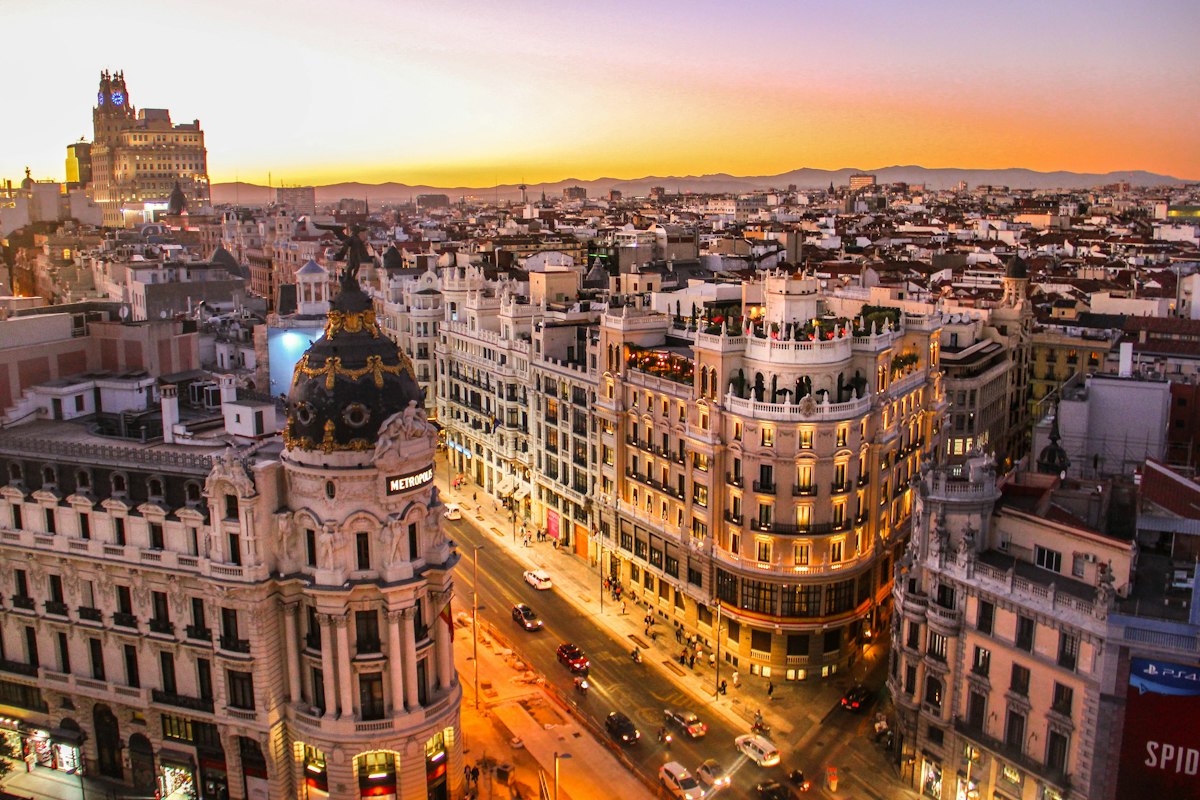
Spain is the most visited country in Europe and one of the most visited in the world — and yet the question every first timer wrestles with is the same. Barcelona or Madrid? And what about Seville? Do I need all three? Can I do two in a week? Which one do I start with?
The honest answer is that all three are extraordinary and none is a bad choice. But they are completely different cities with completely different personalities — and the right answer depends entirely on what kind of traveller you are. This guide cuts through the noise and tells you exactly which Spanish city should be your first, your second and when you can skip one entirely.
🇪🇸 Barcelona, Seville or Madrid First?
Spain welcomed over 97 million tourists in 2025 — the second most visited country on earth. But which of its three greatest cities is right for YOUR first trip? Here is the honest answer.
Quick Answer — Who Each City Suits Best
| City | Best For | Vibe | Budget/Night | Best Season |
|---|---|---|---|---|
| 🎨 Barcelona | Architecture, beach, nightlife | Cosmopolitan, creative, cool | $80–$200 | May–Jun, Sep–Oct |
| 💃 Seville | Flamenco, culture, atmosphere | Passionate, authentic, Andalusian | $60–$150 | Mar–May, Oct–Nov |
| 🏛️ Madrid | Art, food, nightlife, day trips | Energetic, grand, Spanish | $70–$180 | Year-round |
🏛️ Madrid — The Real Spain
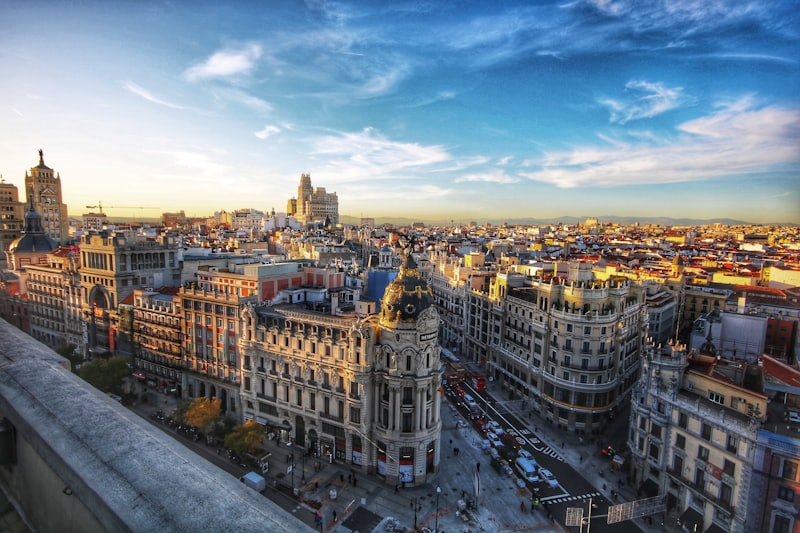
Madrid is the capital of Spain and the city that best represents what Spain actually is — grand, passionate, proud, enormously food-focused and magnificently alive until 4am. The Prado Museum contains one of the world's greatest art collections — Velázquez, Goya, El Greco and Rubens in a single building. The Reina Sofía houses Picasso's Guernica. The Retiro Park is one of Europe's great urban parks. The food in the Mercado de San Miguel and the tapas bars of La Latina neighbourhood is extraordinary. Day trips to Toledo (45 minutes), Segovia (30 minutes by high-speed train) and El Escorial make Madrid the best base in Spain.
Why Madrid Wins for First Timers
- Most central location — easiest access to all of Spain by high-speed train
- Best museums — the Prado, Thyssen and Reina Sofía form the Golden Triangle of Art
- Most authentically Spanish — less touristy than Barcelona, more local feel
- Best food scene — from €1 pintxos at the bar to Michelin-starred dining
- No beach — the only downside — Madrid is landlocked
🎨 Barcelona — The Show-Off
Barcelona is the most visually arresting city in Spain — possibly in Europe. Gaudí's Sagrada Família is one of the most extraordinary buildings on earth — still under construction after 140 years and more magnificent for it. Park Güell, the Casa Batlló and Casa Milà are works of architectural imagination that have no equivalent anywhere in the world. The Gothic Quarter is a medieval labyrinth of narrow lanes and hidden squares. The beach is 10 minutes from the city centre. The nightlife starts at midnight and ends at dawn.
Why Barcelona Wins for Some Travellers
- Most photogenic city in Spain — Gaudí's architecture is unlike anything else on earth
- Beach AND city — unique among major European capitals
- International atmosphere — cosmopolitan, multilingual, welcoming
- Most crowded and expensive — the downside of being globally famous
- Less authentically Spanish — Barcelona identifies strongly as Catalan first
💃 Seville — The Soul of Spain
Seville is the capital of Andalusia and the most emotionally overwhelming city in Spain. This is where flamenco was born — not performed for tourists but lived by the people who created it. The Seville Cathedral is the largest Gothic cathedral in the world and contains the tomb of Christopher Columbus. The Real Alcázar palace — still used by the Spanish royal family — is a UNESCO World Heritage Site of extraordinary Moorish beauty, with rooms and gardens that will make you forget everything else. The tapas bars in the Triana neighbourhood are the finest in Spain. And Seville in spring — when the orange blossom fills the air and the Feria de Abril fills the streets — is one of the most beautiful experiences in European travel.
Why Seville Wins for Some Travellers
- Most authentic Spanish city — the least touristy of the three
- Best flamenco — not a performance, a way of life in Seville
- Most affordable — significantly cheaper than Barcelona and Madrid
- Extremely hot in summer — Seville regularly reaches 45°C in July and August
- Smaller and more intimate — easier to feel like you understand the city
The Full Comparison Table
| Category | 🏛️ Madrid | 🎨 Barcelona | 💃 Seville |
|---|---|---|---|
| Architecture | ✅ Grand & classical | ✅✅ Gaudí — world class | ✅ Moorish masterpieces |
| Beach | ❌ None | ✅✅ City + beach | ❌ None (1hr to coast) |
| Food | ✅✅ Best overall | ✅ Excellent | ✅✅ Best tapas in Spain |
| Nightlife | ✅✅ Latest in Europe | ✅✅ World-class clubs | ✅ Flamenco & bars |
| Authenticity | ✅✅ Most Spanish | ⚠️ More Catalan/international | ✅✅ Most Andalusian |
| Cost | ⚠️ Mid-range | ⚠️ Most expensive | ✅✅ Most affordable |
| Day trips | ✅✅ Toledo, Segovia | ✅ Montserrat, Costa Brava | ✅ Granada, Córdoba |
| Summer heat | ⚠️ Hot (35°C+) | ✅ Pleasant (28°C) | ❌ Extreme (45°C) |
| First timer ease | ✅✅ Best base | ✅ Easy & international | ✅ Compact & walkable |
How Many Days Do You Need in Each City?
| City | Minimum | Recommended | With Day Trips |
|---|---|---|---|
| 🏛️ Madrid | 2 days | 3–4 days | 5–6 days |
| 🎨 Barcelona | 2 days | 3–4 days | 5 days |
| 💃 Seville | 2 days | 2–3 days | 4–5 days |
Best Time to Visit Each City
Spain's cities each have different optimal seasons — and getting timing right matters significantly.
🏛️ Madrid — Best Year-Round
Madrid is comfortable to visit year-round — the most flexible of the three cities. Spring (April to June) and autumn (September to November) offer the best temperatures at 18–25°C. Summer is hot (35–40°C) but manageable and the city stays lively. Winter is cold but the Christmas festivities are exceptional.
🎨 Barcelona — Best May to June and September to October
Barcelona in July and August is extremely crowded and very hot. The shoulder months of May, June, September and October offer warm weather, manageable crowds and lower hotel prices. The beach is accessible from April to October. Winter is mild (10–15°C) and peaceful.
💃 Seville — Avoid July and August Entirely
Seville in summer is one of the hottest inhabited places in Europe — regularly 45°C in July. The absolute best time is April when the Feria de Abril fills the city with colour, music and celebration — one of Spain's great annual events. March to May and October to November are the ideal windows. Never visit Seville in peak summer.
Spain's cities are best connected by high-speed train. But a rental car from Seville opens up Andalusia's white villages, flamenco towns and the stunning Sierra Nevada. Compare prices across all major companies with LocalRent.
🚗 Compare Spain Car Rental Prices →Spain Food Guide — What You Must Eat
🥘 Cocido Madrileño — Madrid's Hearty Stew
A slow-cooked chickpea and meat stew that has been Madrid's winter comfort food for centuries. Served in three courses — broth, then chickpeas and vegetables, then meat. Rich, deeply savoury and completely filling. A full cocido at a traditional taberna costs €14–€22 per person. The restaurant Malacatín near Lavapiés has served it since 1895.
🍷 Jamón Ibérico — Spain's Greatest Food
Cured leg of free-range Iberian black pig, aged for a minimum of 24 months. The finest grade — Jamón Ibérico de Bellota — comes from pigs that roam oak forests eating only acorns. The result is extraordinary — complex, nutty, silky and unlike any other cured meat in the world. A plate of properly sliced Bellota costs €8–€15 in a good bar. Order it in Madrid or Seville where it is taken most seriously.
🍤 Gambas al Ajillo — Garlic Prawns
Shell-on prawns cooked in sizzling olive oil with garlic and dried chilli, served in a terracotta dish still bubbling at the table. One of Spain's great bar dishes — order it anywhere but it is best in Madrid's La Latina neighbourhood or Seville's Triana. Costs €8–€14 per portion. Always served with bread to mop the oil.
🥗 Pan con Tomate — Barcelona's Simplest Pleasure
Toasted bread rubbed with fresh tomato, garlic and drizzled with olive oil. The foundation of Barcelona's food culture. Made properly — with good bread, ripe tomatoes and excellent oil — it is one of the most satisfying things you can eat. Costs €2–€4. Available everywhere in Barcelona and often comes automatically with meals.
Sample 10-Day Spain Itinerary — All Three Cities
| Days | Location | Highlights |
|---|---|---|
| Days 1–3 | Madrid | Prado Museum, Reina Sofía, Retiro Park, tapas in La Latina, day trip to Toledo |
| Days 4–5 | Seville | Real Alcázar, Cathedral, flamenco show, Triana tapas, day trip to Córdoba |
| Days 6–7 | Granada | Alhambra Palace (book months ahead), Albaicín neighbourhood, free tapas culture |
| Days 8–10 | Barcelona | Sagrada Família, Park Güell, Gothic Quarter, La Boqueria, beach day, Barceloneta |
🔗 Useful Official Links
🌐🚫 Mistakes First Timers Make in Spain
Sagrada Família sells out weeks to months ahead during peak season — you cannot simply turn up and get in. The Alhambra in Granada is even more strictly limited — tickets sell out months in advance for the Nasrid Palaces. Book both before you book your flights. Turning up without tickets to either is one of the most common and avoidable disappointments in European travel.
Seville regularly reaches 45°C in midsummer — one of the hottest cities in Europe. Sightseeing in this heat is genuinely unpleasant. The streets empty between noon and 6pm as even locals stay indoors. If you are visiting Spain in July or August choose Barcelona (sea breezes) or the coast rather than Seville.
Spain eats late — genuinely late. Lunch is 2–4pm. Dinner is 9–11pm. Restaurants before 8:30pm are empty or filled exclusively with tourists eating substandard food rushed out for the early sitting. Spaniards eat at 9:30pm and think nothing of dinner at 11pm. Adjust your schedule and eat when the locals eat — the food and atmosphere are completely different.
Las Ramblas is the most famous street in Barcelona and home to some of the worst restaurants in the city. Overpriced, tourist-targeted and mediocre — every restaurant on the strip exists to extract money from people who do not know better. Walk one block in either direction and you will find genuine Barcelona food at half the price and double the quality. La Barceloneta neighbourhood for seafood, El Born for tapas and Gràcia for local neighbourhood restaurants.
Madrid, Barcelona and Seville are each individually a 3–4 day destination minimum. Trying to see all three in 7 days results in spending significant time on trains and arriving in each city too tired to properly experience it. Pick two cities and explore them properly — you will have a far better trip than rushing three.
Both Madrid and Barcelona have excellent metro systems that cover virtually every tourist attraction. A single metro journey costs €1.50–€2.50. A taxi covering the same distance costs €8–€15. Over a week the saving is substantial. The metros are safe, clean, frequent and easy to navigate. Use them.
❓ Barcelona vs Seville vs Madrid — FAQ
📚 More Europe Travel Guides
👉Italy for First Timers — Rome, Florence or Amalfi Coast? 2026Read → 👉Portugal Travel Guide for First Timers 2026Read → 👉Greece on a Budget 2026 — Islands, Athens & Real CostsRead → 👉Europe on a Budget 2026 — Cheapest Countries GuideRead →🛠️ Plan Your Spain Trip With Free Tools
Calculate your exact Spain budget
Best time for Barcelona, Madrid or Seville?
Confirm your Schengen entry requirements
Convert to Euros (EUR)
What to pack for Spain
We research every destination thoroughly to give you honest, practical travel guides — no fluff, no sponsored opinions, just real advice that helps you travel smarter.
Found this helpful? Share it! 😊
Get Free Travel Tips Every Week
Join thousands of smart travellers getting honest destination guides and money-saving tips.
No spam ever. Unsubscribe anytime.
📖 More Europe City Guides
✅ Final Verdict — Which City First?
For one city: Madrid. It is the most complete Spain experience — art, food, authenticity, nightlife and day trips all from one base. For two cities: Madrid + Seville — you get the grand capital and the passionate soul of Andalusia. For three cities in 10 days: Madrid → Seville → Barcelona — move from most Spanish to most spectacular and finish on the beach. Book Sagrada Família before anything else. Eat late. Drink slowly. Stay longer than you think you need. Start planning at smarttravelplannr.com 🇪🇸