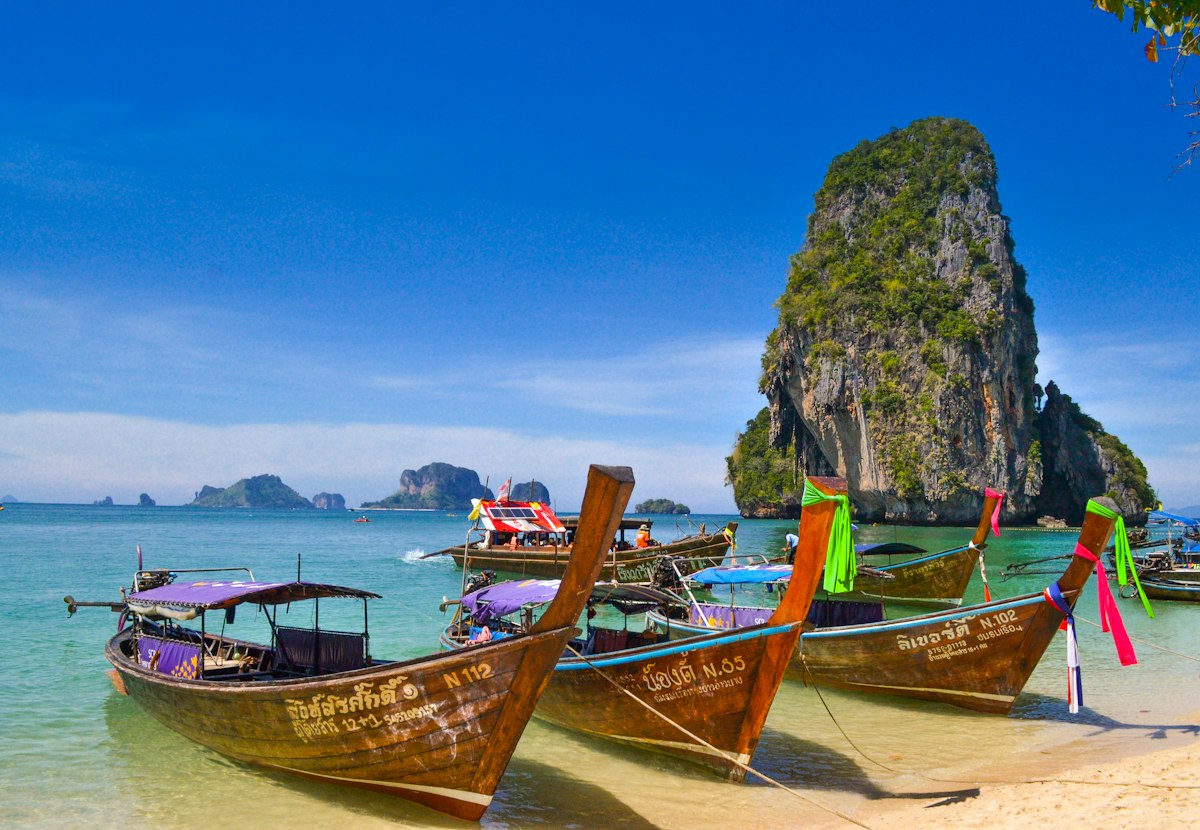
Thailand is safe. That is the short answer and it is true. Millions of people travel there every year without incident, solo female travellers rank it among their favourite destinations in Asia, and the tourist infrastructure is among the most developed in Southeast Asia.
But Thailand is safe in the way that any busy, high-traffic tourist destination is safe — with specific risks that are well-documented, predictable and largely avoidable once you know what they are. The travellers who have problems in Thailand are almost always the ones who did not know what to watch for. This guide tells you exactly what that is.
🇹🇭 The Honest Safety Summary
Violent crime against tourists in Thailand is rare. The risks that actually affect travellers are scams, road accidents, petty theft and a small number of specific situations that are easy to avoid once you know they exist. Thailand is not dangerous — but it is not risk-free either, and knowing the difference matters.
The Scams That Target Tourists in Thailand
Tourist scams in Thailand are well-documented, highly specific and — once you know they exist — extremely easy to avoid. The majority of travellers who get scammed did not know these scams existed before they arrived.
The Tuk-Tuk Gem Scam — Bangkok's Most Persistent
A friendly tuk-tuk driver in Bangkok offers to take you on a city tour for an unusually low price. He mentions that the Grand Palace is closed today (it is not) but suggests a nearby temple instead. At or near the temple, a well-dressed stranger mentions that today is a special tax-free day and that a government export store nearby is selling gems at remarkable prices. You are taken to a shop. The gems are worthless. You have spent significant money.
This scam has been running in Bangkok for decades. It works because every element feels plausible — a friendly local, a closed attraction, a coincidental encounter, a limited-time offer. The rule: if anyone you have not already arranged to meet mentions gems, jewellery, or a special sale of any kind, walk away immediately regardless of how credible they appear.
The Jet Ski Damage Scam — Phuket
You rent a jet ski in Phuket. When you return it, the operator claims damage exists that was not there when you took it out. There may be accomplices nearby. The operator demands significant cash payment immediately and becomes aggressive if you refuse. Sometimes police appear who side with the operator.
Prevention: photograph the jet ski exhaustively before you take it — all panels, the hull, every scratch — with timestamps. Show the photos to the operator. Refuse to pay for any damage you did not cause and insist on filing a police report. Most operators drop the claim when they see evidence was collected beforehand.
The Taxi Meter Scam — Everywhere
Taxi drivers refusing to use the meter and quoting a fixed price — always significantly higher than the metered fare would be. At Suvarnabhumi Airport, some drivers quote 600–800 baht for journeys that cost 200–300 baht on the meter.
Prevention: use the Grab app in all Thai cities. The fare is agreed before the journey, the driver is rated, and you have a record of the trip. At the airport, use the official metered taxi rank — there is a 50 baht airport surcharge added to the meter fare, which is legitimate and stated on the receipt.
Road Safety — The Risk Most Tourists Underestimate
Road accidents are statistically the most significant risk to tourists in Thailand. Thailand has one of the highest road fatality rates in the world, and a meaningful proportion of tourist deaths and serious injuries in Thailand involve hired scooters or motorcycles.
- Scooter hire: Riding a scooter in Thailand without a motorcycle licence is both illegal and likely to void your travel insurance. It is also extremely common. If you choose to ride, wear a helmet (the ones provided at hire shops are often poor quality — buy your own if you plan to ride regularly), stay on smaller roads, and do not ride at night
- Road conditions: Roads in tourist areas are generally well-maintained. Rural roads, particularly in the north, can be narrow, winding and poorly lit. Monsoon season makes mountain roads around Chiang Mai significantly more hazardous
- Night buses: Overnight buses between cities have a worse safety record than daytime travel. If using overnight buses, stick to the major reputable operators — Nakhonchai Air and Transport Co are the most consistently reliable
Is Thailand Safe for Solo Female Travellers?
Yes — Thailand is widely considered one of the better solo female travel destinations in Southeast Asia. A large and visible community of solo female travellers at any given time creates both safety in numbers and a developed infrastructure of solo-friendly accommodation and tours.
The areas to exercise more caution:
- Nightlife areas late at night: Khao San Road, Bangla Road in Phuket and Walking Street in Pattaya involve heavy alcohol consumption and situations that can become uncomfortable. Standard awareness applies
- Accepting drinks from strangers: Drink spiking does occur in Thai nightlife areas, though it is not as prevalent as in some European cities. Keep your drink in your hand
- Isolated beaches after dark: Some of the smaller, less-developed beaches have no lighting and minimal activity after dark. Stay on the main beach strips at night
Areas to Avoid in Thailand
| Area | Situation | Advice |
|---|---|---|
| Deep South (Narathiwat, Pattani, Yala) | Active insurgency — genuine security risk | Avoid — FCO advises against all but essential travel |
| Thai-Myanmar border crossings | Sporadic conflict near the border | Caution — check current FCO advice before any border trip |
| Pattaya Walking Street late night | Very heavy nightlife, scams, aggressive touts | Awareness — go with others, don't go drunk alone |
| All major tourist areas | Petty theft in crowded areas | Safe overall — keep valuables secured in crowds |
Health and Medical Safety
- Private hospitals: Thailand's private hospitals are excellent — Bangkok Hospital, Bumrungrad International and Samitivej Hospital are among the best in Asia. Get travel insurance that covers medical evacuation before you go
- Water: Do not drink tap water. Bottled water is universally available and cheap. Use bottled or filtered water for brushing teeth
- Street food safety: Eat at busy stalls where food turns over quickly. Avoid food that has been sitting out in the heat. Washed salads and unpeeled fruit from street stalls carry more risk than cooked food
- Sun and heat: Heat exhaustion is a genuine risk for visitors from cooler climates, particularly in April and May. Carry water, use sunscreen, and plan outdoor activities for early morning or late afternoon
- Mosquitoes: Dengue fever is present in Thailand, particularly in the rainy season. Use DEET-based repellent, especially at dawn and dusk. Malaria risk in most tourist areas is low but higher in rural border areas — check with a travel doctor for your specific itinerary
✅ The Safety Rules That Actually Matter
Eliminates meter scams, fare disputes and the small risk of ending up with a driver who takes a bad route. The app works in Bangkok, Chiang Mai, Phuket, Pattaya and most tourist cities.
No exceptions. Friendly stranger, well-dressed, seemingly credible — it does not matter. Walk away. The gem scam has been active in Bangkok since the 1990s and still works because new tourists arrive every day who have not heard of it.
Thai private hospitals are excellent but expensive. A motorbike accident, a bout of dengue, an emergency appendectomy — any of these without insurance produces a bill that can reach tens of thousands of dollars. Insurance is not optional in Thailand.
Timestamped photos of the vehicle's condition before you drive it away are the most effective protection against false damage claims. Takes two minutes. Has saved countless travellers hundreds of dollars.
Thailand's lèse-majesté laws are serious and enforced. Criticising or disrespecting the Thai royal family — including online, including in what feels like a private conversation — can result in criminal prosecution and imprisonment. This is not a theoretical risk.
🇹🇭 Safe & Reliable Hotels in Thailand
All hotels →🔗 Official Safety Resources
🇬🇧❓ Frequently Asked Questions
Yes — Thailand is one of Southeast Asia's safest tourist destinations with well-developed infrastructure and millions of incident-free visits each year. The main risks are specific and avoidable: tourist scams (gem scam, jet ski scam, meter taxi scam), road accidents from hired scooters, and petty theft in crowded areas. Violent crime against tourists is rare.
Yes — Thailand is widely rated as one of the better solo female destinations in Asia. A large visible community of solo female travellers creates safety in numbers. Exercise standard awareness in nightlife areas late at night, keep drinks in your hand in bars, and stick to lit beach strips after dark.
The gem scam (Bangkok tuk-tuk drivers directing tourists to worthless gem shops), jet ski damage scams (Phuket operators claiming false damage), and taxi meter refusal. All are easily avoided: use Grab app for all city transport, walk away from anyone mentioning gems or special sales, photograph hire vehicles before taking them.
The deep south — Narathiwat, Pattani and Yala provinces — has an active insurgency and the UK FCO advises against all but essential travel there. Thai-Myanmar border areas warrant caution. All major tourist destinations (Bangkok, Chiang Mai, Phuket, Krabi, Koh Samui) are safe for standard tourism.
No — do not drink tap water in Thailand. Use bottled water for drinking and brushing teeth. Most guesthouses and hotels provide filtered water refill stations — use these rather than buying individual plastic bottles to reduce waste. In restaurants, ask for bottled water and check the seal is unbroken.
Yes — strongly recommended and effectively essential. Thai private hospitals are excellent but expensive. A scooter accident, dengue treatment or any surgical procedure without insurance produces costs that can reach tens of thousands of dollars. Ensure your policy covers motorbike riding if you plan to hire a scooter, as many standard policies exclude this.
📚 More Thailand Guides
👉Thailand Travel Guide — Stop Making These MistakesRead → 👉Thailand Trip Cost — Complete Honest Budget BreakdownRead → 👉What to Pack for Thailand — The Only List You NeedRead → 👉Thailand Visa Guide — Do You Need One?Read → 👉How Many Days Do You Need in Thailand?Read → 👉Is Bali Safe? — The Honest AnswerRead → 👉Is Vietnam Safe for Tourists?Read →🛠️ Free Trip Planning Tools
Work out your exact budget before you book
Check entry requirements for 197 countries
149 world currencies updated daily
Custom lists by destination and trip type
Best month for any destination worldwide
We research every destination thoroughly — honest, practical guides with no fluff and no sponsored opinions. Just real advice that helps you travel smarter.
Found this useful? Share it 😊
Get Free Travel Tips Every Week
Honest destination guides, money-saving tips and first-timer advice — straight to your inbox.
No spam. Unsubscribe anytime.
📖 More Safety Guides
✅ Final Verdict
Thailand is safe — and knowing specifically what to watch for is what keeps it that way for your trip. The gem scam, the jet ski scam, the taxi meter refusal, the deep south provinces, the scooter risk — none of these are secrets, but they catch people who did not know they existed. You now know they exist. Use Grab in every city, get travel insurance before you leave, and check the FCO advice for your nationality before you travel. Plan your Thailand trip at smarttravelplannr.com. 🇹🇭