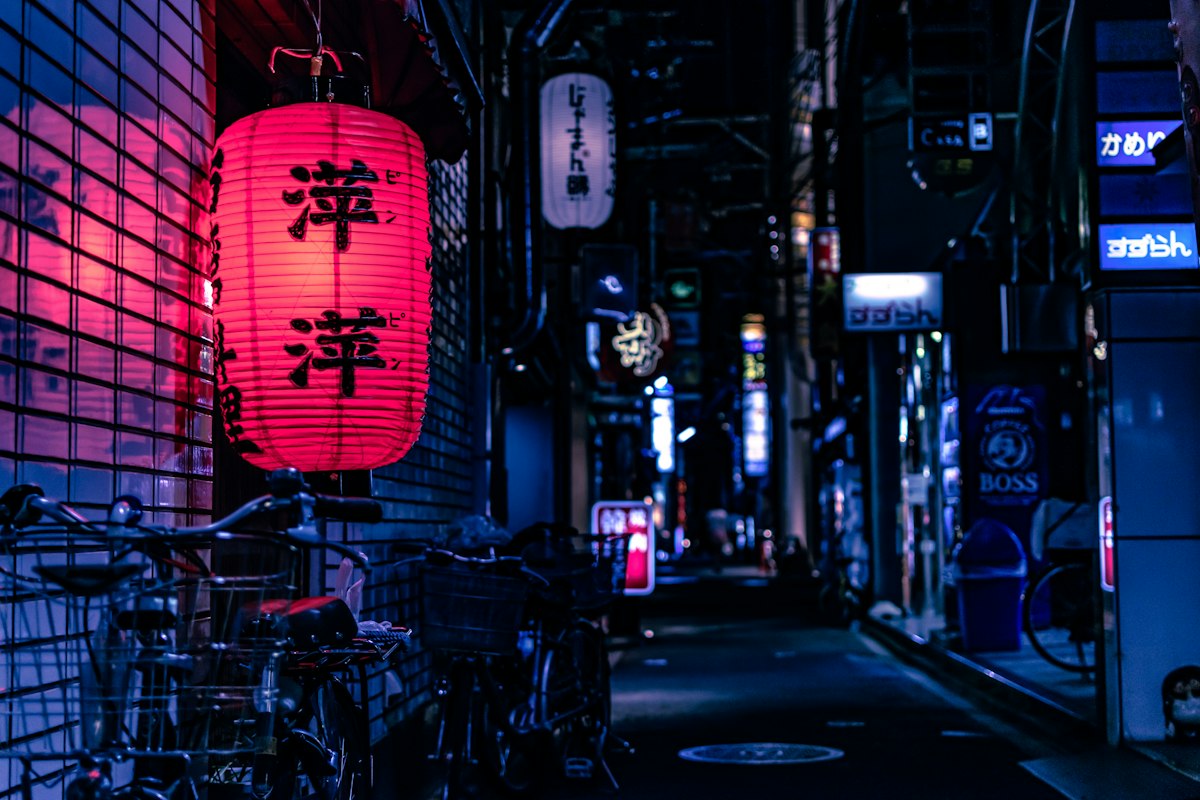
Two weeks is the ideal length for a first Japan trip — long enough to see Tokyo, Kyoto, Osaka and the countryside without feeling rushed, short enough to manage without taking a month off work. The challenge is not finding enough to do in Japan — it is resisting the urge to cram too much in and ending up spending your holiday on bullet trains between places you have seen for 90 minutes each.
This is a realistic, tested 2-week Japan itinerary built for first time visitors — not a wishlist of every prefectural capital, but an honest plan that gives you enough time in each place to actually feel it. Costs, transport, booking tips and the things most first timers get wrong — all here.
🇯🇵 Japan 2 Weeks — The First Timer's Ideal Route
Tokyo (5 nights) → Hakone (2 nights) → Kyoto (4 nights) → Osaka (2 nights) → fly home. This is the classic route and the classic route is classic for a reason — it works perfectly for two weeks and covers everything you came to Japan to see.
The 2-Week Japan Itinerary — Day by Day
| Days | Location | Key Experiences |
|---|---|---|
| Days 1–2 | Tokyo — Arrive & Recover | Shinjuku, local ramen, jet lag recovery |
| Days 3–4 | Tokyo — East | Senso-ji, Akihabara, Ueno, Yanaka neighbourhood |
| Day 5 | Tokyo — West | Shibuya crossing, Harajuku, Meiji Shrine, Shimokitazawa |
| Days 6–7 | Hakone | Mt Fuji views, onsen ryokan, open-air museum |
| Days 8–9 | Kyoto — Temples | Fushimi Inari, Kinkaku-ji, Arashiyama bamboo |
| Days 10–11 | Kyoto — Culture | Gion at dawn, Nishiki Market, Philosopher's Path, Nara day trip |
| Days 12–13 | Osaka | Dotonbori, street food, Osaka Castle, Kuromon Market |
| Day 14 | Osaka — Depart | Final morning, Osaka-Kansai Airport |
🗼 Tokyo — Days 1–5
Five nights in Tokyo is the right amount for a first visit — enough to explore both sides of the city without rush. Shinjuku is the most practical base — excellent transport connections, hotels at all price points and the most intense urban energy in the city. Use the first two days lightly — arrive, explore on foot, eat ramen, let the jet lag work itself out rather than fighting it with a packed schedule.
Tokyo Must-Do
- Senso-ji, Asakusa — Tokyo's oldest temple. Go at 6am before the crowds arrive. The stone lanterns, incense smoke and pagoda against the dawn sky is one of Tokyo's great images
- Shibuya Crossing — more impressive than you expect. Watch from Shibuya Sky observation deck or the Starbucks window for the full effect. Then disappear into the backstreets of Shimokitazawa — Tokyo's most characterful neighbourhood
- Yanaka — the old Tokyo neighbourhood that survived the firebombing. Wooden houses, a cemetery, cat cafés and the most authentic working-class Tokyo neighbourhood left in the city
- Tsukiji Outer Market — for the best breakfast in Tokyo. Fresh uni (sea urchin) on rice, tamagoyaki (sweet omelette) and the finest tuna you have ever eaten, eaten standing up at 7am
🗻 Hakone — Days 6–7
Hakone is the most important thing on this itinerary that most first timers rush or skip. Two nights here — ideally in a traditional ryokan (Japanese inn) with an outdoor onsen (hot spring bath) — is the experience that changes what you understand about Japan. Hakone sits in the mountains southwest of Tokyo with views of Mount Fuji on clear days. The Hakone Open-Air Museum is world-class. The ropeway over volcanic crater Lake Ōwakudani with Fuji visible behind it is one of Japan's most extraordinary views.
⛩️ Kyoto — Days 8–11
Four nights in Kyoto is the correct amount. Three is too rushed. Five becomes repetitive. Stay in the Gion or Higashiyama area for the most atmospheric location — the traditional machiya townhouses, stone-paved streets and temple gates are 10 minutes' walk from your door.
- Fushimi Inari — the famous 10,000 torii gates. Go at 5:30am. The first hour is near-empty and extraordinary. By 9am the crowds are significant
- Arashiyama Bamboo Grove — same rule: go at dawn. Combine with the nearby Tenryu-ji garden and monkey mountain for a full morning
- Gion at 6am — Kyoto's geisha district. At dawn it is silent and hauntingly beautiful. If you are lucky you will see a maiko (apprentice geisha) hurrying to an early appointment — the most Japan moment of the entire trip
- Nara day trip — 45 minutes from Kyoto by train. The deer in Nara Park are wild, free-roaming and completely unbothered by humans. Todai-ji temple — the world's largest wooden building — houses a 15-metre bronze Buddha. One of the best day trips in Japan
🍜 Osaka — Days 12–13
Two nights in Osaka rounds out the trip perfectly. After Kyoto's temples and history, Dotonbori's neon signs, street food chaos and unashamed appetite for fun is a genuine relief. Osaka is Japan's food capital — takoyaki (octopus balls), okonomiyaki (savoury pancakes) and kushikatsu (deep-fried skewers) eaten standing up at market stalls are among the great street food experiences in Asia. Stay in the Namba or Shinsaibashi area for maximum walking access to everything.
Japan 2 Weeks — Budget Guide 2026
| Category | Budget | Mid-Range | Comfortable |
|---|---|---|---|
| 🛏️ Accommodation/night | $35–$70 (capsule/hostel) | $100–$200 | $250–$600 |
| 🍽️ Food per day | $20–$40 | $50–$100 | $120–$300 |
| 🚅 Japan Rail Pass (14 days) | ¥50,000 (~$320) — essential for this itinerary | ||
| 🎯 Entry fees/activities | $10–$20/day | $30–$60/day | $80–$200/day |
| 14-day total (excl. flights) | $1,200–$1,800 | $2,500–$4,000 | $5,000–$10,000+ |
🚫 Mistakes First Timers Make in Japan
Japan's most famous sites are almost unbearably crowded by mid-morning in peak season. Fushimi Inari at 10am is a shoulder-to-shoulder queue through the torii gates. Fushimi Inari at 5:30am is a meditative, extraordinary experience with almost nobody else present. This early-morning rule applies to virtually every iconic site in Japan — Arashiyama Bamboo Grove, Gion district, Senso-ji and Nijo Castle all reveal completely different faces in the early morning quiet. Reorganise your sleep schedule on day one: wake at 5am for the first week and you will see a Japan that the 10am tourists never experience.
The Japan Rail Pass must be purchased outside Japan before travel — it is not available in Japan itself. For this 2-week itinerary the 14-day pass (¥50,000 / ~$320) is almost certainly worth buying as it covers all Shinkansen travel between Tokyo, Hakone, Kyoto, Nara and Osaka. Calculate your routes on Hyperdia or Google Maps to confirm — if your total Shinkansen costs exceed ¥50,000, the pass saves money. Buy through JR Pass official website or authorised retailers at least a week before departure.
One or two nights in a traditional Japanese ryokan — sleeping on futons, wearing yukata (cotton robes), eating a multi-course kaiseki dinner and bathing in an outdoor onsen at dawn — is the single experience that most Japan visitors say they wish they had prioritised more. Hakone is the most accessible ryokan destination from Tokyo. Budget options exist from ¥15,000 per person including dinner and breakfast. This is not a luxury-only experience — it is an essential cultural one. Book well in advance as the best ryokan fill months ahead.
Hiroshima, Nara, Nikko, Kamakura, Kanazawa — all extraordinary. All worth visiting. None of them should be crammed into a 2-week first trip at the expense of proper time in Tokyo, Kyoto and Osaka. The temptation to add "just one more city" to the itinerary results in arriving in each place exhausted, leaving before you have seen what makes it special and spending half your trip on Shinkansen platforms. This itinerary is deliberately conservative — do it properly and you will want to come back for all the places you missed. Japan always brings people back.
A Suica or Pasmo IC card is a rechargeable card that works on every train, subway and bus in Japan and can be tapped at convenience stores (conbini) for purchases. Get one from the machine at Narita or Haneda airport on arrival — load ¥3,000–5,000 initially. Without it you will be buying individual subway tickets (complicated, slower) at every journey. With it, you tap in, tap out and never think about transport payment again. The Suica card can also now be added to Apple Wallet or Google Pay for iPhone and Android.
Japan's convenience stores — 7-Eleven, Lawson and FamilyMart — are not like convenience stores anywhere else in the world. Fresh onigiri (rice balls), hot foods, excellent coffee, sandwiches, noodles, matcha desserts and basic groceries — all high quality and extraordinarily cheap (¥200–600 / $1.30–4 per item). Eating conbini breakfast and lunch then spending your restaurant budget on one excellent dinner per day is the best value food strategy in Japan and also one of the most enjoyable eating experiences of the trip.
🇯🇵 Top Hotels — Tokyo, Kyoto & Osaka
All hotels →🔗 Useful Official Links
🌐❓ Frequently Asked Questions
Two weeks (14 days) is ideal — enough for 5 nights Tokyo, 2 nights Hakone, 4 nights Kyoto and 2 nights Osaka. Less than 10 days makes it too rushed. Three weeks is even better if possible.
Yes for this itinerary — the 14-day pass (~$320) pays for itself on the first Tokyo-Kyoto Shinkansen alone (~$90 each way). Must be purchased outside Japan before travel — buy through JR Pass official website.
Budget $1,200-1,800 for 14 days excluding flights. Mid-range $2,500-4,000. Includes rail pass, accommodation, food and activities. Japan is more affordable than its reputation.
Cherry blossom (late March-mid April) and autumn foliage (November) are spectacular but crowded. May, September and October offer great weather with fewer crowds. Avoid Golden Week (late April-early May) — prices spike significantly.
Japan is one of the world's safest countries — violent crime extremely rare, public transport impeccably honest, locals actively help confused tourists. Main challenges are language and transport navigation, both solved with Google Maps and a Suica card.
Most temples are free-access. Key exceptions: teamLab museums (book months ahead), popular ryokan (book 2-3 months ahead) and top restaurants (book weeks ahead via Tableall or direct). Fushimi Inari and Arashiyama: free access, just go at dawn.
Fly into Tokyo (Narita or Haneda) and OUT of Osaka (Kansai Airport). This open-jaw ticket travels in a logical line and eliminates backtracking — usually same price as a return ticket.
UK, US, Canadian and Australian citizens enter Japan visa-free for up to 90 days — passport stamped on arrival. Check current entry requirements before booking as policies can update.
A rechargeable IC card that works on every train, subway and bus in Japan and at convenience stores. Get one at the airport on arrival, load ¥3,000-5,000. Eliminates the need to buy individual tickets. Also available on Apple Wallet and Google Pay.
Fushimi Inari at dawn, Gion at 6am, a ryokan night with outdoor onsen in Hakone, Arashiyama Bamboo Grove early morning, Nara deer park, Dotonbori Osaka and the Shinkansen journey itself — one of the great travel experiences.
📚 More Japan Guides
👉Best Time to Visit Japan 2026 — Cherry Blossom to AutumnRead → 👉Is Japan Expensive? — Real Costs for First Timers 2026Read → 👉How to Beat Jet Lag — Practical Guide for Long-Haul FlightsRead → 👉How to Fly Business Class Cheap — Honest Guide 2026Read →🛠️ Free Planning Tools
Calculate your exact budget
Check your entry requirements
Best time to visit
Never forget anything
Convert to local currency
We research every destination thoroughly to give you honest, practical travel guides — no fluff, no sponsored opinions, just real advice that helps you travel smarter.
Found this helpful? Share it! 😊
Get Free Travel Tips Every Week
Honest destination guides and money-saving tips — every week.
No spam. Unsubscribe anytime.
📖 More Asia Guides
✅ Final Verdict
Two weeks in Japan is enough to fall deeply, permanently in love with a country that does almost everything differently — and almost everything better. The trains arrive on time to the second. The convenience store coffee is genuinely good. The ramen at a 10-seat counter in a back street costs $8 and is the best thing you have eaten in years. The deer in Nara bow to you. The torii gates at Fushimi Inari at 5:30am are among the most beautiful things on earth. Follow this itinerary, wake up early, buy the rail pass before you leave home and spend at least one night in a ryokan in Hakone. Japan will do the rest. Start planning at smarttravelplannr.com 🇯🇵