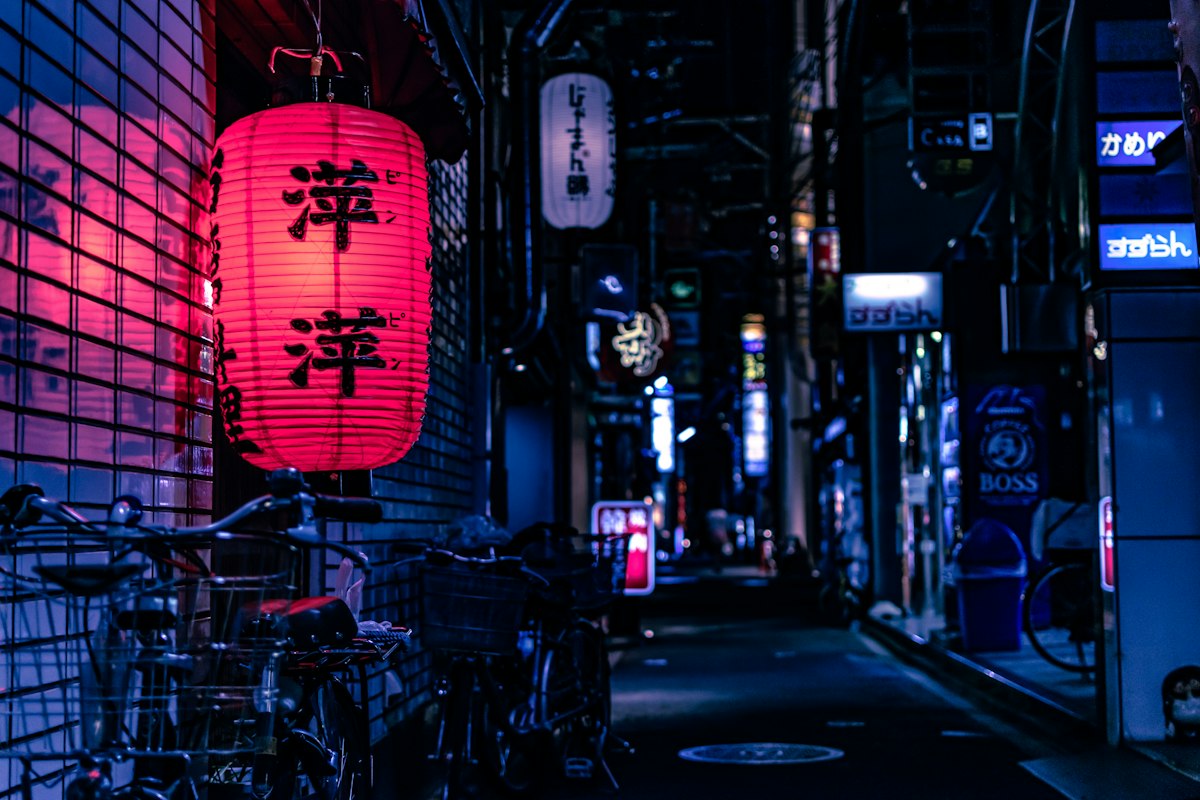
Ten days is the sweet spot for a first trip to Japan — long enough to see Tokyo, Kyoto and Osaka properly, with room for a day trip to Nara or a night in Hakone for Mt Fuji views, without the exhausting sprint that a week creates. This itinerary is built around the reality of how Japan actually works: fast trains that run to the second, neighbourhoods that reward slow walking, food that demands multiple meals per stop and a culture so distinctly itself that the adjustment from the first morning in Tokyo to the last in Osaka feels like months of travel compressed into ten days.
This is not a list of landmarks. This is a day-by-day route built by understanding how long things actually take, which train goes where, when crowds are at their worst and which experiences genuinely require planning months ahead.
🇯🇵 Japan in 10 Days — Who This Itinerary Is For
This route works for first-time Japan visitors with 10 full days (not including travel days). It covers Tokyo, Hakone, Kyoto, Nara and Osaka. It is designed for independent travellers using the Japan Rail Pass and requires advance booking for specific restaurants and experiences. Read every planning note — they will save you significant money and frustration.
Before You Go — Essential Planning Checklist
- Japan Rail Pass: Buy before you leave home — it cannot be purchased inside Japan at full price. The 14-day pass (¥50,000 / ~$330) is better value than the 7-day pass if you plan to use the Shinkansen between cities. Buy from jrpass.com or through your travel agent before departure
- IC Card (Suica or Pasmo): Load money onto a reusable transit card at any major train station — covers subway, buses and convenience store payments
- Pocket WiFi or SIM card: Book pocket WiFi before arrival — collect from the airport. Google Maps works offline but live navigation is essential for Japan's complex transit network
- Book specific restaurants in advance: Any Michelin-starred or well-known restaurant in Tokyo or Kyoto requires reservations weeks or months ahead. Use Tableall, Omakase or direct restaurant websites
- Book teamLab borderless tickets: The teamLab digital art museum sells out weeks in advance. Book at teamlab.art before your departure date
The 10-Day Japan Itinerary — Day by Day
1
Fly into Narita (NRT) or Haneda (HND). Activate your JR Pass at the airport. Take the Narita Express (N'EX) or Keikyu Line to central Tokyo. Check in to Shinjuku — the most central base for first-timers. Evening: Shinjuku's neon streets, Golden Gai bar alley and your first bowl of ramen.
2
Senso-ji Temple in Asakusa first thing (arrive by 7am before tour groups). Nakamise shopping street for snacks. Walk to Ueno Park and the Tokyo National Museum. Afternoon: Akihabara's electronics and anime culture. Dinner: Izakaya in Yurakucho under the train tracks.
3
Morning: Meiji Shrine in the forest, then Harajuku's Takeshita Street for fashion culture. Lunch in Omotesando. Afternoon: Shibuya Crossing from the Shibuya Sky observation deck (¥2,200, book online). Evening: teamLab digital art experience — book months ahead.
4
Morning: Yanaka — Tokyo's best-preserved old neighbourhood, cats everywhere, small shops, cemetery walk. Afternoon: Shimokitazawa for vintage shops and live music bars. The side of Tokyo most visitors miss entirely.
5
JR Pass covers the Romancecar from Shinjuku to Hakone (90 min). Lake Ashi for clear-day Mt Fuji views — if cloudy, the lake is still beautiful. Open-air sculpture museum. Hakone Ropeway over volcanic vents at Owakudani. Staying overnight in a ryokan (traditional inn) with an onsen (hot spring bath) and multi-course kaiseki dinner is one of Japan's greatest experiences — book 2–3 months ahead.
6
JR Pass covers the Shinkansen. Arrive Kyoto Station (~2 hours). Afternoon: Fushimi Inari — the ten thousand torii gate mountain. Start the hike at 4pm when day-trippers are leaving. The upper mountain after 5pm is one of Japan's most extraordinary experiences.
7
Dawn: Kinkaku-ji (Golden Pavilion) before 8am. Morning: Arashiyama bamboo grove before 9am — stunning before crowds. Afternoon: Gion district walk — cobblestone streets, machiya teahouses, possibility of spotting a geiko (Kyoto geisha). Dinner: Nishiki Market for food stalls.
8
45 minutes by JR from Kyoto. Todai-ji temple — housing Japan's largest bronze Buddha — is extraordinary. Freely roaming sacred deer (bowing for shika senbei deer crackers). Kasuga Taisha shrine with its hundreds of stone lanterns. Half-day is enough — return to Kyoto for dinner.
9
15 minutes by Shinkansen or 30 min local JR from Kyoto. Dotonbori — Osaka's food and neon heartland. Takoyaki (octopus balls), kushikatsu (skewers), okonomiyaki (savoury pancakes). Shinsekai district for a time-warp Osaka experience.
10
Morning: Osaka Castle and park. Final shopping in Shinsaibashi. Airport Haruka train or limousine bus to Kansai International (KIX) — 75 minutes from Namba.
Japan 10-Day Cost Breakdown 2026
| Category | Budget | Mid-Range | Comfortable |
|---|---|---|---|
| 🚂 Japan Rail Pass (14-day) | ¥50,000 (~$330) — buy before departure | ||
| 🛏️ Accommodation/night | ¥3,000–¥7,000 ($20–$46) capsule/hostel | ¥12,000–¥25,000 ($79–$165) | ¥30,000–¥80,000+ ($198–$530) |
| 🍱 Food per day | ¥2,000–¥4,000 ($13–$26) convenience stores + ramen | ¥5,000–¥10,000 ($33–$66) | ¥15,000–¥40,000+ ($99–$264) |
| 🎫 Entry fees/day | ¥500–¥1,500 ($3–$10) | ¥2,000–¥5,000 ($13–$33) | ¥5,000–¥15,000 ($33–$99) |
| 🏯 Ryokan overnight (per person) | ¥20,000–¥60,000 ($132–$396) per person including dinner and breakfast | ||
| Daily total (10 days excl. rail pass) | ¥5,500–¥12,500 ($36–$82) | ¥19,000–¥40,000 ($125–$264) | ¥50,000–¥135,000+ ($330–$891) |
Best Time to Visit Japan
🚫 Japan 10-Day Mistakes to Avoid
Both Fushimi Inari's torii gates and Arashiyama's bamboo grove are genuinely extraordinary at dawn or dusk and genuinely miserable at midday — thousands of tourists, little light, constant photobombing. Fushimi Inari at 4–5pm when day-trippers leave, or at 6am before the crowds arrive. Arashiyama bamboo at 6–7am. Plan your schedule around this — it changes everything.
The Japan Rail Pass can be purchased inside Japan now, but at a significantly higher price than the overseas rate. Buy before you leave — it is consistently better value for any itinerary covering Tokyo, Kyoto and Osaka, and for this 10-day itinerary specifically, the 14-day pass saves hundreds of dollars over buying individual Shinkansen tickets.
Kyoto has 1,600 Buddhist temples and 400 Shinto shrines. Attempting to see many of them in a single day results in what Japan travellers call "temple fatigue" — a state where every extraordinary 1,200-year-old sacred structure starts to blur into the last one. Two or three temples done properly — arrived at the right time, given enough time to absorb — is consistently better than seven temples rushed. Quality over quantity is the Kyoto rule.
Japan's convenience stores — 7-Eleven, FamilyMart, Lawson — sell genuinely excellent food at remarkably low prices. Onigiri (rice balls, ¥120–200), hot ramen, sandwiches, fresh salads, pastries, hot drinks, quality sushi. Many budget Japan travellers eat convenience store breakfasts and lunches and save their restaurant budget for dinners — not as a compromise but as a genuine food experience that many rate as a highlight.
🇯🇵 Top Hotels for This Itinerary
All hotels →🔗 Essential Japan Planning Links
🚂❓ Frequently Asked Questions
Yes — 10 days covers Tokyo (4 days), Hakone (1 day), Kyoto (3 days including a Nara day trip) and Osaka (2 days) without feeling rushed. A week is too short; two weeks allows adding Hiroshima and deeper exploration.
Yes — the 14-day pass pays for itself with just one Tokyo-Kyoto Shinkansen round trip. Buy before departure — the overseas price is significantly lower than inside Japan.
Budget ¥5,500-12,500/day ($36-82) using hostels and convenience stores. Mid-range ¥19,000-40,000/day ($125-264). Add the JR Pass (¥50,000/$330), flights and a ryokan night for the full picture.
September-November for the best balance of weather, autumn foliage and manageable crowds. March-May for cherry blossoms — spectacular but book 6+ months ahead and expect the highest prices.
Tokyo first — it eases you into Japan more gently. Kyoto rewards visitors who have already adjusted to Japan and can appreciate the temples with proper context rather than jet-lagged confusion.
Yes for specific ones: teamLab, popular ryokan, Michelin-starred restaurants. Temples generally don't require advance booking. Book anything essential at least 2-3 months ahead.
Japan is one of the safest countries in the world — consistently top 3 globally. Crime against tourists is extremely rare. The main challenge is navigation — hence the importance of pocket WiFi.
Shinjuku or Shibuya — both central, well-connected and with hotels at every price point. Shinjuku is the main hub for trains to Kyoto, Osaka and Hakone.
📚 More Japan Guides
👉Is Japan Expensive? — Honest Cost Breakdown for 2026Read → 👉Best Time to Visit Japan — Month by Month Guide 2026Read → 👉How Many Days Do You Need in Japan? — Honest Answer 2026Read → 👉Japan 2-Week Itinerary for First Timers 2026Read →🛠️ Free Planning Tools
Work out your exact budget
Check entry requirements
Best time to visit anywhere
Never forget anything again
Convert to local currency
We research every destination thoroughly — honest, practical guides with no fluff, no sponsored opinions. Just real advice that helps you travel smarter.
Found this helpful? Share it! 😊
Get Free Travel Tips Every Week
Honest destination guides, money-saving tips and first-timer advice — straight to your inbox.
No spam ever. Unsubscribe anytime.
📖 More Asia Guides
✅ Final Verdict
Japan rewards visitors who plan properly — buy the JR Pass early, book the ryokan months ahead, arrive at Fushimi Inari at dusk and Arashiyama at dawn, and resist the urge to see every temple on the list. Ten days in Japan, done this way, is genuinely one of the greatest travel experiences on earth. Start planning at smarttravelplannr.com 🇯🇵