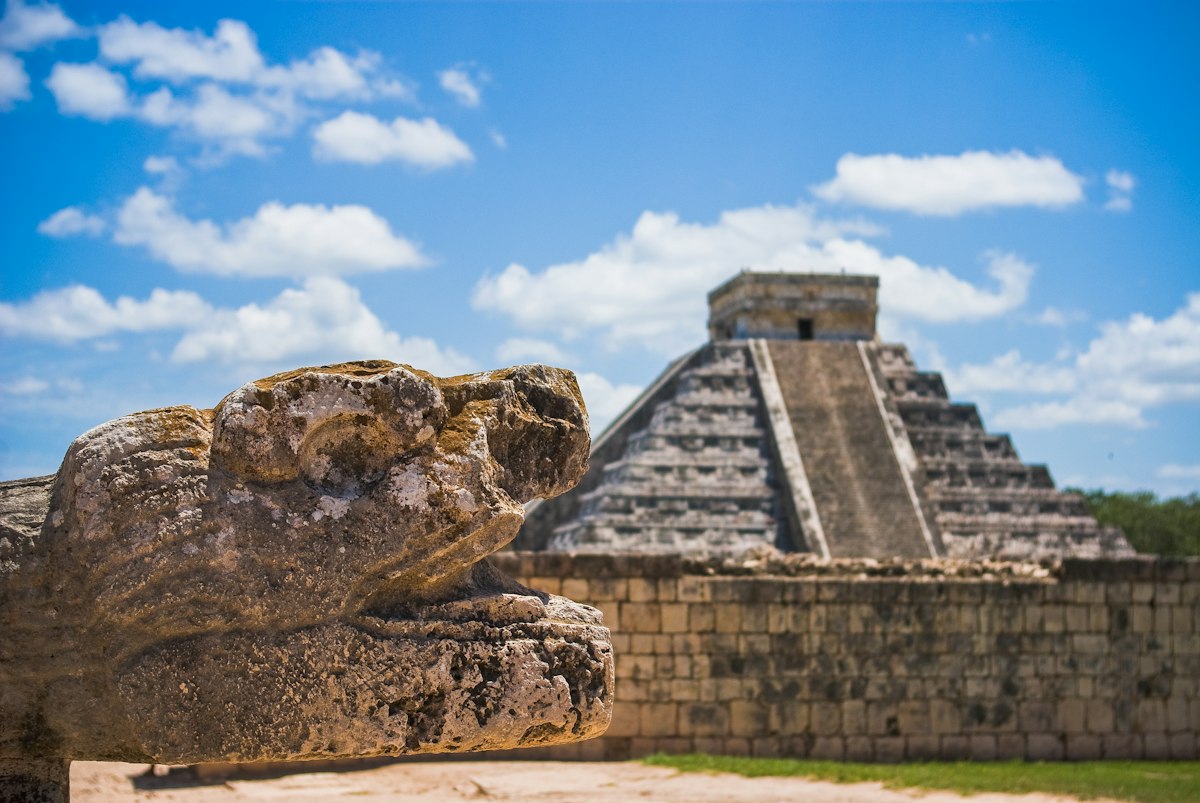
Mexico City has quietly become one of the world's most exciting destinations — a megalopolis of 22 million people that somehow manages to feel neighbourhood-sized once you know where to go. It has world-class museums, a pre-Aztec pyramid complex inside the city limits, a food scene that regularly places multiple restaurants in the World's 50 Best list, markets that have been operating continuously for 700 years and a cultural energy that is unlike anything else in Latin America.
It is also genuinely misunderstood by first-time visitors, many of whom arrive with exaggerated safety concerns and leave wondering why they ever hesitated. This guide tells you what CDMX is actually like, where to spend your time, what to eat, what to skip and how to navigate the city confidently from day one.
🇲🇽 Mexico City for First Timers — The Honest Answer
Mexico City is one of the great cities on earth. The food, the culture, the architecture, the museums and the sheer human energy of the place are extraordinary. The key is knowing which neighbourhoods are right for you, eating where locals eat and spending most of your time in the areas that make CDMX genuinely world-class.
Is Mexico City Safe for Tourists in 2026?
The honest answer: the tourist neighbourhoods of Mexico City — Roma Norte, Condesa, Polanco, Coyoacán and the Historic Centre — are genuinely safe for tourists with normal urban awareness. Millions of international visitors move freely through these areas every year. The risks that dominate headlines relate to specific areas outside the tourist zones that most visitors never encounter. The practical rules: use Uber for all transport (never hail street taxis), stay in Roma/Condesa/Polanco, keep your phone in your pocket on busy streets and do not walk in unfamiliar areas after midnight. Follow these and Mexico City is an extraordinarily enjoyable, very manageable destination.
Mexico City Neighbourhoods — Where to Stay and Where to Explore
| Neighbourhood | Vibe | Best For | Stay Here If... |
|---|---|---|---|
| Roma Norte | Hip, tree-lined, café culture | Food, cafés, nightlife, galleries | First time — best overall base |
| Condesa | Art Deco, leafy parks, relaxed | Parque México, brunch, restaurants | You want a quieter, greener stay |
| Polanco | Upscale, luxury hotels, museums | Chapultepec Park, fine dining | Bigger budget, closer to Anthropology Museum |
| Coyoacán | Bohemian, Frida Kahlo's neighbourhood | Markets, cultural sites, weekend feel | You want local neighbourhood life |
| Historic Centre | Grand, busy, monuments | Zócalo, Templo Mayor, Palacio de Bellas Artes | Sightseeing days — stay nearby or day-trip |
🌮 What to Eat in Mexico City
Mexico City's food scene is genuinely one of the world's best — not just tacos (though the tacos are extraordinary) but a full culinary tradition that ranges from ancient Aztec-influenced ingredients to the most technically complex contemporary Mexican cuisine anywhere. Pujol and Quintonil are regularly in the World's 50 Best. But most of the food that defines CDMX costs almost nothing.
🌮 Tacos — The Essential Guide
The taco is Mexico City's street food and the variety is extraordinary — not just proteins but entirely different taco traditions. Tacos al pastor (marinated pork carved from a vertical spit with pineapple — the most iconic) at El Huequito in the Historic Centre. Tacos de canasta (steamed basket tacos, eaten for breakfast) from street vendors throughout Roma. Tacos de carnitas at the Sunday market in Coyoacán — slow-cooked pork, extraordinary. A taco costs $15–25 MXN ($0.85–1.45 USD). You will eat the best taco of your life in Mexico City for under $2.
🍲 Beyond Tacos — What Else to Eat
- Pozole — hominy corn soup with pork or chicken, slow-cooked for hours, topped with cabbage, radish, oregano and lime. The definitive comfort food of Central Mexico. Every market has it.
- Tlayudas — large crispy corn tortillas topped with refried beans, quesillo (Oaxacan string cheese), meat and salsa. Originally from Oaxaca but found everywhere in CDMX.
- Tamales — masa (corn dough) filled with meat, cheese or chilli and steamed in corn husks. Eaten for breakfast at the Mercado de Medellín.
- Chiles en nogada — a seasonal (August–September) dish of stuffed poblano peppers in walnut cream sauce with pomegranate seeds. The colours of the Mexican flag. One of the most beautiful dishes in Mexican cuisine.
- Mezcal — smoky agave spirit from Oaxaca. The mezcalerías in Roma Norte serve extraordinary single-village mezcals that cost $80–200 MXN ($4.60–11.50 USD) per pour.
🏛️ What to See — The Non-Negotiables
Teotihuacán — Pyramids Inside the City
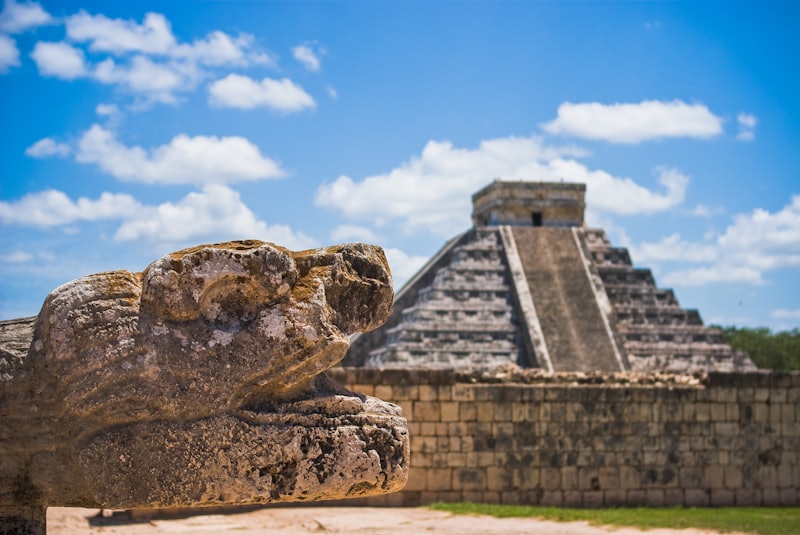
The Pyramid of the Sun and Pyramid of the Moon at Teotihuacán — a pre-Aztec city 50km northeast of Mexico City — are among the most impressive archaeological sites in the Americas. The Pyramid of the Sun is the third largest pyramid in the world. You can climb to the top. The scale is genuinely shocking in person — photographs do not prepare you for it. Take an early morning bus from Terminal Norte (1.5 hours, $75 MXN / $4.30 USD) and arrive at opening to beat the tour groups. Budget a full day.
Anthropology Museum — One of the World's Great Museums
The Museo Nacional de Antropología in Chapultepec Park is one of the world's truly great museums — 24 rooms covering 3,000 years of Mesoamerican civilisation, including the original Aztec Sun Stone and extraordinary Maya, Olmec, Zapotec and Mixtec collections. Entry is $85 MXN ($5 USD) and it is free on Sundays. Budget 3–4 hours minimum and do not rush it.
Frida Kahlo Museum — Casa Azul
The Casa Azul (Blue House) in Coyoacán — where Frida Kahlo was born, lived and died — is one of Mexico City's most visited attractions. The house, garden and exhibition of her personal belongings and artworks are deeply moving. Book tickets online weeks in advance — it sells out constantly. The Coyoacán neighbourhood surrounding it is wonderful for a full afternoon.
Suggested Mexico City Itinerary
1
Settle in Roma Norte. Walk Álvaro Obregón avenue. Lunch: tacos al pastor from a street stall. Parque México in Condesa for the afternoon. Dinner: one of Roma's many excellent restaurants. Mezcal at a Roma Norte mezcalería.
2
Early bus from Terminal Norte (6:30am). Pyramids of the Sun and Moon — climb both. Return by 2pm. Afternoon rest. Evening: Historic Centre for the Zócalo, Metropolitan Cathedral and Templo Mayor ruins.
3
Morning: Museo Nacional de Antropología (3-4 hours). Lunch in Polanco. Afternoon: Chapultepec Park and castle. Bosque de Chapultepec walk. Evening: Polanco fine dining if budget allows.
4
Morning: Casa Azul Frida Kahlo Museum (book ahead). Coyoacán market — tamales and pozole for lunch. Afternoon: Xochimilco floating gardens by trajinera (colourful canal boat) — one of Mexico City's most unique experiences. Budget $200–350 MXN per boat per hour.
5
Morning: Palacio de Bellas Artes (stunning Art Nouveau exterior, Diego Rivera murals inside — $85 MXN). Zócalo and Metropolitan Cathedral. Mercado de San Juan for final food exploration. Airport Uber.
Mexico City Cost Guide 2026
| Category | Budget | Mid-Range | Comfortable |
|---|---|---|---|
| 🛏️ Accommodation/night | $25–$60 USD | $80–$180 USD | $200–$500 USD |
| 🌮 Street taco | $15–30 MXN ($0.85–1.75 USD) — eat 5 for under $3 | ||
| 🍽️ Restaurant meal | $80–$200 MXN ($4.60–11.50) | $300–$700 MXN ($17–40) | $800–$3,000+ MXN ($46–175) |
| 🏛️ Anthropology Museum | $85 MXN ($5 USD) — free on Sundays | ||
| 🚗 Teotihuacán bus return | $150 MXN ($8.60 USD) return from Terminal Norte | ||
| 🚕 Uber across city | $60–$150 MXN ($3.50–$8.60) — very affordable | ||
| Daily total | $40–$80 USD | $120–$250 USD | $300–$700+ USD |
Best Time to Visit Mexico City
🚫 Mexico City Mistakes First Timers Make
Express kidnapping from unmarked street taxis — where drivers take passengers to ATMs under duress — is a documented and ongoing risk in Mexico City for tourists using unregistered cabs. It is entirely avoidable by using only the Uber app (or CDMX-based alternatives like DiDi or inDriver). These apps track your route, show the driver's details and provide a record of every journey. Never get into a taxi that approaches you on the street. This single rule eliminates the primary safety risk that most people worry about in CDMX.
Polanco is beautiful and conveniently close to the Anthropology Museum but it is Mexico City's most expensive, most sanitised neighbourhood — more like a Latin American version of a European luxury district than the real CDMX. Roma Norte and Condesa are where the food, the culture, the independent cafés and the genuine neighbourhood life are. Stay in Roma for your first visit — you can always take Uber to Polanco's museum in 15 minutes.
The Frida Kahlo Museum (Casa Azul) in Coyoacán has a strict daily visitor cap and tickets sell out weeks in advance — particularly on weekends and around Mexican national holidays. Booking online at museofridakahlo.org.mx when you book your flights (not a week before travel) is essential. Turning up without tickets almost always results in being turned away regardless of how long you queue.
Mexico City sits at 2,240 metres above sea level — higher than most European ski resorts. Visitors from sea level frequently experience mild altitude symptoms in the first 24-48 hours: headache, shortness of breath, fatigue and occasionally nausea. Drink more water than usual, avoid alcohol on your first day, take it easy on the first afternoon and do not plan your most strenuous activities (Teotihuacán pyramid climbing) on day one. Symptoms usually resolve completely within 48 hours.
Mexico City's mercados (markets) — Mercado de Medellín, Mercado Roma, Mercado de San Juan, La Ciudadela — are where the best food is and where it costs almost nothing. A full breakfast at Mercado de Medellín costs $60–100 MXN ($3.50–5.80). The same food in a tourist restaurant on Álvaro Obregón costs $300–500 MXN ($17–29). Eat in markets at least twice a day — the food quality is consistently higher and the experience is incomparably more interesting.
Many first-time Mexico City visitors treat Teotihuacán as an optional extra — an ambitious add-on for travellers with extra time. This is wrong. Teotihuacán is one of the most impressive archaeological sites in the Americas, the pyramids are extraordinary up close in a way that images absolutely fail to convey, and the bus from Terminal Norte costs $75 MXN ($4.30). It is the single most spectacular thing you can do from Mexico City. Go on day two of your trip, before the altitude fully sets in, and leave early.
🇲🇽 Top Hotels in Mexico City
All hotels →🔗 Essential Mexico City Links
🌐❓ Frequently Asked Questions
The tourist neighbourhoods — Roma Norte, Condesa, Polanco, Coyoacán, Historic Centre — are genuinely safe with normal urban awareness. Key rule: use only Uber or DiDi, never street taxis. Millions of international tourists visit safely every year.
Budget $40-80 USD/day. Mid-range $120-250 USD/day. Street taco: $0.85-1.75 USD. Uber across the city: $3.50-8.60. Anthropology Museum: $5 USD (free Sundays). Outstanding value for a world-class city.
Roma Norte for first timers — best combination of food, cafés, walkability and safety. Condesa for quieter, greener stay. Polanco for luxury hotels near the Anthropology Museum. All 10-15 minutes apart by Uber.
UK, US, Canadian and Australian citizens enter visa-free for up to 180 days. Passport stamped on arrival. Ensure at least 6 months validity beyond your return date.
March-May (dry, 22-28°C) and November-February (mild, Christmas season). Día de los Muertos (Nov 1-2) is the most spectacular cultural event — book 3-4 months ahead for this period.
Mexico City is at 2,240m. Some visitors get mild symptoms (headache, fatigue) for 24-48 hours. Drink extra water, avoid alcohol on day one, rest your first afternoon. Resolves completely within 48 hours for most people.
Bus from Terminal Norte — runs every 30 minutes from 7am, costs ~$75 MXN ($4.30 USD) each way, 1-1.5 hours. Return by 3pm to avoid traffic. Or book a guided tour including transport.
Day of the Dead (November 1-2) — UNESCO-listed celebration where families build elaborate altars for deceased loved ones. Mexico City hosts the world's largest celebrations at the Zócalo. The atmosphere is unlike anything else in travel. Book accommodation 3-4 months ahead.
📚 More Americas Guides
👉Peru Travel Guide — Machu Picchu, Costs & First-Timer Tips 2026Read → 👉Argentina Travel Guide for First Timers 2026Read → 👉Costa Rica Travel Guide — Wildlife & Volcanoes 2026Read → 👉10 Cheapest Countries to Visit in 2026Read →🛠️ Free Planning Tools
Calculate your exact budget
Check your entry requirements
Best time to visit
What to pack for your trip
Convert to local currency
We research every destination thoroughly — honest, practical guides with no fluff, no sponsored opinions. Just real advice that helps you travel smarter.
Found this helpful? Share it! 😊
Get Free Travel Tips Every Week
Honest destination guides, money-saving tips and first-timer advice — every week.
No spam ever. Unsubscribe anytime.
📖 More Destination Guides
✅ Final Verdict
Mexico City rewards visitors who arrive with curiosity rather than caution. The pyramids of Teotihuacán will stop you dead in your tracks. The tacos will ruin you for tacos anywhere else. The Anthropology Museum will make you want to study Mesoamerican civilisation. The mezcal in a candlelit Roma Norte bar at midnight will make you want to never leave. CDMX is one of the great cities — not despite its scale and complexity but because of it. Use Uber, eat at markets, book Casa Azul in advance, go to Teotihuacán on day two and give yourself at least five days. Start planning at smarttravelplannr.com 🇲🇽