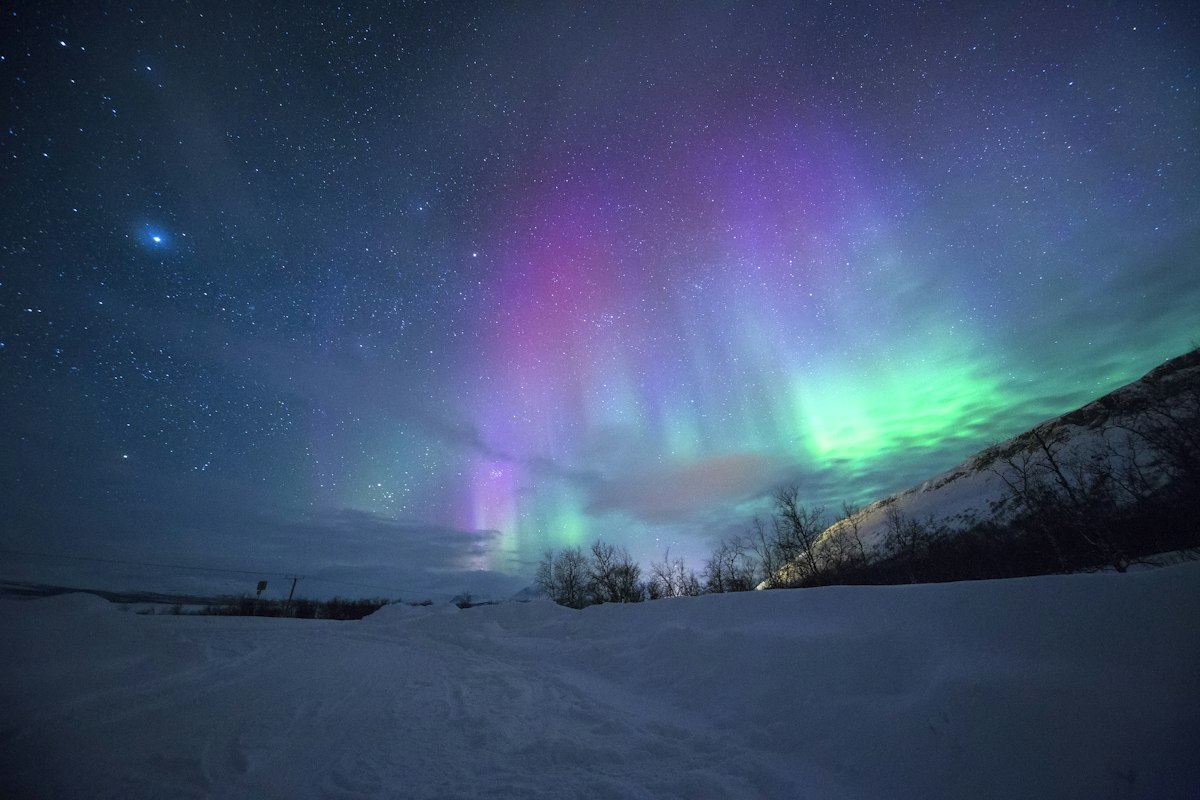
Norway and Iceland are the two great bucket list destinations of the far north — both offering landscapes that look computer-generated, both famous for the Northern Lights, both genuinely expensive and both capable of delivering travel experiences that people describe as the most spectacular of their lives. They are also genuinely different in ways that matter for deciding which to prioritise — and many people spend months going back and forth between the two without a framework for making the choice.
This guide gives you the honest comparison. Not which is "better" — that depends entirely on you — but which is right for what you are looking for.
🌍 Norway vs Iceland — The One-Line Answer
Norway for fjords, hiking, culture and more variety. Iceland for raw volcanic landscapes, the Golden Circle, whale watching and the most otherworldly scenery on earth. Both for the Northern Lights — but read the timing section below before booking.
Quick Answer — Who Should Choose Which
| Travel Style | Choose | Why |
|---|---|---|
| 🥾 Hiking & outdoors | Norway | Trolltunga, Preikestolen — world-class trails and fjords |
| 🌋 Volcanic landscapes | Iceland | Geysers, lava fields, glaciers, black sand beaches |
| 🌌 Northern Lights | Both equally | Same latitude — Iceland has fewer city light interferences |
| 🐋 Whale watching | Iceland | Húsavík — one of Europe's best whale watching destinations |
| 🏙️ City culture | Norway | Bergen, Oslo — more cultural depth and variety |
| 🚗 Road trip | Iceland | Ring Road is the world's most iconic road trip route |
| 💰 Slightly less expensive | Iceland | Norway is marginally pricier — both are very expensive |
| 🌸 Summer midnight sun | Both | Both experience 24-hour daylight in June-July |
| 🧊 Glacier experiences | Iceland | Easier glacier access — Vatnajökull, Sólheimajökull |
| 🎭 History & Vikings | Norway | Viking Ship Museum Oslo, Hanseatic Bergen |
🇳🇴 Norway — The Fjord Country
Norway is one of the world's most scenically spectacular countries — a 25,000km coastline of fjords, mountains and islands that has been shaping people's understanding of what natural beauty can look like for centuries. The fjords of western Norway — Sognefjord, Geirangerfjord and Nærøyfjord (both UNESCO World Heritage listed) — are among the most impressive landscapes on earth. Preikestolen (Pulpit Rock) — a flat cliff rising 604 metres above Lysefjord — is one of Europe's most dramatic hikes. Trolltunga is the most extraordinary viewpoint in Scandinavia. Bergen — with its Hanseatic wharf, fish market and seven surrounding mountains — is one of Europe's most beautiful small cities. For the Northern Lights, the Tromsø area in northern Norway is genuinely one of the world's best destinations.
Norway Wins For
- Fjord cruising — the Norway in a Nutshell route from Bergen to Flåm via the Flåm Railway and Sognefjord is among the world's great scenic journeys
- World-class hiking — Preikestolen, Trolltunga, Besseggen Ridge and dozens more trails at every difficulty level
- Cultural depth — Oslo's world-class museums (Munch Museum, Viking Ship Museum), Bergen's Hanseatic history, Ålesund's Art Nouveau architecture
- Sámi culture — the indigenous Sámi people's culture, reindeer herding and traditional knowledge is most accessible in northern Norway
- The Lofoten Islands — arguably the most beautiful archipelago in Europe, with red and yellow fishermen's cottages against mountain peaks rising from the sea
🇮🇸 Iceland — The Land of Fire and Ice
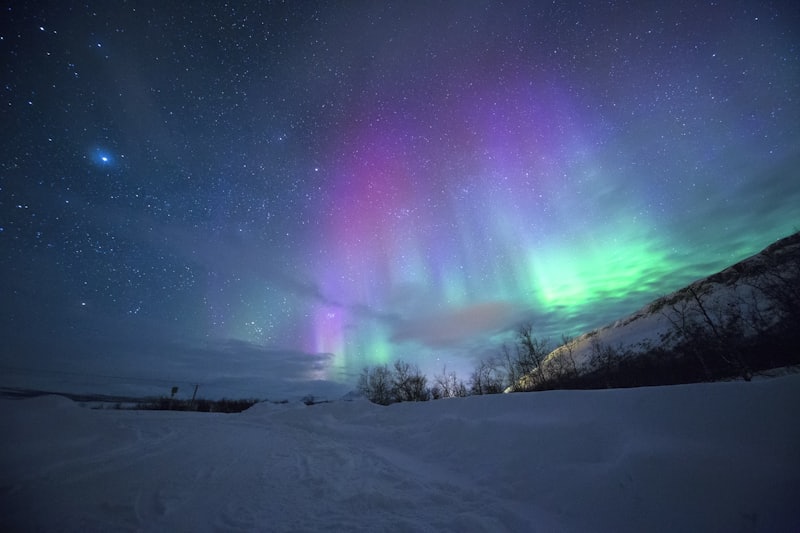
Iceland is geologically unlike anywhere else on earth — sitting directly on the Mid-Atlantic Ridge where the North American and Eurasian tectonic plates meet, creating an island of active volcanoes, geysers, hot springs, lava fields and glaciers that covers 11% of the country's surface. The Golden Circle — Geysir, Gullfoss waterfall and Þingvellir National Park — is the world's most accessible geothermal tour. The Blue Lagoon is genuinely spectacular despite being heavily touristed. The south coast — Reynisfjara black sand beach, Skógafoss waterfall, Jökulsárlón glacier lagoon — is one of the most otherworldly drives in the world. The Ring Road (Route 1) circling the entire island takes 7–10 days and is one of travel's great road trips.
Iceland Wins For
- The Ring Road — the most iconic road trip route in Europe, circling the entire island past volcanoes, waterfalls, geysers and glaciers
- Glacier access — you can walk on a glacier with a guide within 3 hours of landing in Reykjavik
- Whale watching — Húsavík offers some of Europe's most reliable humpback whale sightings from May to September
- Geothermal swimming — the Blue Lagoon is the famous one but the Sky Lagoon in Reykjavik and countless natural hot pools across the country offer extraordinary geothermal bathing
- More accessible Northern Lights — Iceland's smaller size means dark sky locations are easier to reach from the capital than in Norway
The Cost Comparison
| Category | 🇳🇴 Norway | 🇮🇸 Iceland |
|---|---|---|
| Budget accommodation/night | $80–$150 | $60–$120 |
| Mid-range hotel/night | $180–$350 | $150–$300 |
| Restaurant meal (mid-range) | $30–$60/person | $25–$50/person |
| Beer in a bar | $10–$14 | $9–$13 |
| Petrol (per litre) | $2.20–$2.60 | $2.00–$2.40 |
| Car hire/day | $70–$150 | $60–$130 |
| Daily budget total | $180–$400 | $150–$350 |
🌌 Northern Lights — The Honest Guide
Both Norway and Iceland offer excellent Northern Lights viewing — both sit well within the Northern Lights zone (the auroral oval) and both have dedicated infrastructure for aurora tourism. The key facts:
- Season: September to March in both countries — you need darkness, which rules out the midnight sun months
- Best months: October, February and March tend to offer the clearest skies and strongest activity in both countries
- Norway advantage: Tromsø has the best-developed Northern Lights tourism infrastructure in the world — guided tours, guaranteed-return-if-no-lights policies and excellent operators
- Iceland advantage: Smaller country means dark skies are accessible within 30 minutes of Reykjavik. The aurora forecast app (vedur.is) is excellent
- The honest truth: The Northern Lights are weather-dependent and never guaranteed regardless of which country you visit. A minimum of 4–5 nights gives reasonable odds of at least one good display
🚫 Mistakes When Planning Norway or Iceland
The Northern Lights are caused by solar activity interacting with the Earth's atmosphere — entirely weather and geomagnetically dependent and impossible to predict more than a few days in advance. Booking a 2-night trip specifically for the Northern Lights and feeling cheated when they don't appear is one of the most common disappointments in Scandinavian tourism. Book a minimum of 4–5 nights, download the aurora forecast app and understand that you are significantly increasing your chances — not buying a guarantee. Tromsø operators who offer "Northern Lights guarantee" programmes give you a free additional tour if you don't see them, not a refund.
Iceland's Ring Road is 1,332km long — manageable in 7–10 days but easy to underestimate. The Icelandic highlands (Landmannalaugar, the interior) are only accessible in 4WD vehicles from late June to early September. In winter, weather can close roads with very little notice — always check road.is before driving. Rental cars in Iceland must have appropriate tyres for the season and insurance against gravel damage (the F-roads in particular are very hard on vehicles). Budget for the full insurance package — the deductibles without it are very high.
Trolltunga is one of Norway's most spectacular hikes and one of its most demanding — 22–27km return with 800m of elevation gain, taking 10–12 hours for most hikers. It is not a casual walk. Every year rescue services are called for unprepared hikers — wearing inappropriate footwear, running out of food and water or misjudging their fitness. Proper hiking boots, layers for all weather conditions, plenty of food and water, a downloaded offline map and a realistic assessment of your fitness are all essential. Do not attempt Trolltunga in wet or icy conditions without experience.
The Blue Lagoon operates on timed entry and tickets must be booked online in advance — it is consistently sold out during peak season. Turning up without a booking results in being turned away. Book at bluelagoon.com at least 2–4 weeks before your visit in summer and at least a week in advance in shoulder season. The Blue Lagoon is located near Keflavik Airport — the standard entry is on the way between the airport and Reykjavik, making it a practical first or last stop. Upgrade to the Premium package for the in-water bar and better changing facilities.
Reykjavik is a charming small capital but it is not why most people come to Iceland. The extraordinary scenery is in the countryside — and most of it is within 2–3 hours of the city. One or two nights in Reykjavik for the restaurants and culture is plenty. Spending 4–5 of your 7 Iceland days in the city is one of the most common and disappointing Iceland mistakes. The Golden Circle, south coast and Snæfellsnes Peninsula can all be done as day trips from Reykjavik, or better yet, pick up a rental car and drive the Ring Road for the full experience.
Iceland's weather is famously changeable — sun, rain, wind and cold can all arrive within the same hour. Norway's mountain and fjord weather can change rapidly at any time of year. In both countries the outdoor sites that are the main attractions require proper wind and waterproof layers even in summer. "Waterproof" means actually waterproof — not a light jacket. Good merino wool base layers, a proper waterproof shell and sturdy footwear make the difference between a transcendent outdoor experience and a miserable one.
🌍 Top Hotels — Norway & Iceland
All hotels →🔗 Useful Official Links
🇳🇴❓ Frequently Asked Questions
Norway for fjords, world-class hiking, city culture and the Lofoten Islands. Iceland for volcanic landscapes, the Ring Road road trip, glacier access and whale watching. Both equally good for Northern Lights. Iceland for geological otherworldliness; Norway for variety and scenery.
Norway is marginally more expensive but both are among the world's priciest destinations. Budget $150-350/day in Iceland, $180-400 in Norway. Self-catering or camping significantly cuts costs in both countries.
Yes — both sit well within the Northern Lights zone. Season is September-March in both. Tromsø has the world's best Northern Lights infrastructure. Iceland has dark skies closer to the capital. Neither guarantees a sighting — book minimum 4-5 nights to improve odds.
June-August for midnight sun, green landscapes and all roads open. September-March for Northern Lights. February-March is the sweet spot — Northern Lights AND manageable daylight hours.
June-August for hiking, fjord cruising and midnight sun. September-October for shoulder season beauty. November-February in Tromsø for Northern Lights. December for Christmas markets.
Both are Schengen members. UK, US, Canadian and Australian citizens enter visa-free for up to 90 days within any 180-day Schengen period. No advance application required.
Iceland — the Ring Road (Route 1) circling the entire island in 7-10 days is one of the world's great road trips. Norway's Scenic Routes are spectacular but the country is much larger requiring 2-3 weeks for a full road trip.
Norway — Preikestolen, Trolltunga and Besseggen Ridge are among Europe's most spectacular hikes. The Lofoten Islands offer extraordinary ridge walking. Iceland's landscapes are better experienced by driving than hiking.
Yes — fly into Reykjavik and out of Oslo (or vice versa) for a 2-3 week Scandinavian trip. Allow minimum 7 days per country to do each justice.
Route 1 — the 1,332km road circling the entire island past all major attractions. Drive it in 7-10 days. Fully paved, manageable in a standard 2WD car in summer. Driving clockwise (south coast first) is most popular.
Iceland — Húsavík offers some of Europe's most reliable humpback whale sightings from May to September. Reykjavik also offers whale watching tours. Norway's Tromsø has excellent orca watching in winter (November-January) when orcas follow herring.
📚 More Comparison Guides
👉Is Croatia Worth Visiting in 2026? — Honest First-Timer's GuideRead → 👉Santorini vs Mykonos — Which Greek Island First in 2026?Read → 👉Iceland Travel Guide for First Timers 2026Read → 👉Solo Female Travel 2026 — 10 Safest DestinationsRead →🛠️ Free Planning Tools
Calculate your exact budget
Check entry requirements
Best time to visit
Never forget anything
Convert to local currency
We research every destination thoroughly to give you honest, practical travel guides — no fluff, no sponsored opinions, just real advice to help you travel smarter.
Found this helpful? Share it! 😊
Get Free Travel Tips Every Week
Honest destination guides and money-saving tips — every week.
No spam. Unsubscribe anytime.
📖 More Europe & Comparison Guides
✅ Final Verdict
Both Norway and Iceland are worth every expensive penny — they deliver the kind of travel experiences that reset your understanding of what natural beauty can look like and stay with you for the rest of your life. If you can only choose one: Iceland if you want the most otherworldly, geologically unique landscape on earth and the freedom of the Ring Road. Norway if you want the fjords, the Lofoten Islands and world-class hiking that delivers on every photograph you have ever seen. If the Northern Lights are the primary motivation: book minimum 5 nights in either country, go in February or March, and accept that the aurora will appear when it decides to rather than when your itinerary requires it to. That mindset shift makes all the difference. Start planning at smarttravelplannr.com 🌌