 El Nido Palawan" width="1200" height="360" style="width:100%;height:360px;object-fit:cover;display:block"/>
The Philippines is one of those destinations that seems almost too good to be true. More than 7,000 islands. Some of the most extraordinary beaches on the planet. Warm, genuinely welcoming people. Incredible diving and snorkelling. All at prices that make the rest of Southeast Asia look expensive. And yet first-time visitors often hesitate — the Philippines has a complicated reputation and the sheer scale of the archipelago can feel overwhelming to plan.
This guide cuts through the noise. Is it safe? Absolutely — with the right approach. Is it worth visiting? It is one of the most extraordinary places on earth. How much does it cost? Far less than you think. Here is everything a first-time visitor needs to know about the Philippines in 2026.
🇵🇭 Is the Philippines Worth Visiting in 2026?
7,000+ islands. Some of Asia's most beautiful beaches. Exceptional diving. Friendly locals. And daily costs that will genuinely surprise you. Here's the complete honest guide for first timers.
Is the Philippines Safe to Visit in 2026?
This is the first question every first-time visitor asks — and the honest answer is: yes, with common sense and some basic geographic awareness.
The Philippines is a large and varied country. The popular tourist destinations — Palawan (El Nido, Coron), Cebu, Bohol, Siargao and Boracay — are safe, well-touristed and have no meaningful security issues for travellers. Millions of tourists visit these areas every year without incident.
The areas to avoid are specific and clearly defined: parts of western Mindanao (particularly the Sulu Archipelago and some areas around Zamboanga and Lake Lanao) have long-standing security issues that are completely separate from the rest of the country. Every major government travel advisory distinguishes between these areas and the popular tourist islands.
Practical Safety Tips
- Always use reputable boat operators for inter-island transfers — weather conditions change quickly
- Register with your country's embassy if visiting for an extended period
- Don't accept food or drinks from strangers on overnight buses or ferries
- Keep copies of your passport and travel documents separately from originals
- Travel insurance covering medical evacuation is strongly recommended
Best Time to Visit the Philippines 2026
The Philippines has two distinct seasons — the dry season and the wet season — and the timing of your visit dramatically affects your experience.
☀️ Dry Season — November to May (Best for Most Islands)
This is when the Philippines is at its most spectacular. Clear skies, calm seas and the best conditions for beach activities, diving and island hopping. December to April is the absolute peak — the best weather but also the highest prices and most crowds at popular spots like El Nido and Boracay.
🌧️ Wet Season — June to October (Off Peak)
Typhoon season runs roughly from June to November. This doesn't mean it rains all day every day — afternoons are often clear — but typhoons can disrupt travel, particularly boat transfers between islands. Prices are significantly lower and crowds are minimal. Experienced travellers who can be flexible sometimes prefer this season for the authenticity and value.
| Month | Weather | Crowds | Price | Verdict |
|---|---|---|---|---|
| Dec–Feb | Dry & sunny | High | High | Peak Season |
| Mar–May | Hot & dry | Medium | Medium | Great Value |
| Jun–Aug | Rainy season | Low | Low | Budget Season |
| Sep–Nov | Typhoon risk | Very Low | Very Low | Risky |
Philippines Travel Costs 2026 — Real Daily Budget
The Philippines is one of Southeast Asia's best value destinations. Your money goes significantly further here than in Thailand or Bali — especially outside of the peak tourist season.
| Category | Budget | Mid-Range | Comfortable |
|---|---|---|---|
| 🛏️ Accommodation/night | $12–$25 | $35–$80 | $100–$250 |
| 🍽️ Food per day | $8–$15 | $20–$40 | $50–$100 |
| ⛵ Transport per day | $5–$15 | $20–$40 | $50–$100 |
| 🎯 Activities per day | $10–$20 | $25–$60 | $70–$150 |
| Daily Total | $35–$75 | $100–$220 | $270–$600 |
Visa Requirements for the Philippines 2026
The Philippines has one of the most generous visa policies in Southeast Asia for most nationalities.
Visa on Arrival — 30 Days
Citizens of most countries including the UK, USA, Australia, Canada, EU countries and most Middle Eastern nationalities receive a free 30-day visa on arrival at Philippine airports. No advance application required — just a valid passport, return or onward ticket and proof of sufficient funds.
Extending Your Stay
If you want to stay longer than 30 days you can extend your visa at any Bureau of Immigration office for a fee. Extensions of 29 days at a time are possible, allowing stays of up to 36 months for most nationalities. The process is straightforward but requires a visit to an immigration office.
Best Islands to Visit in the Philippines — Where to Go First
🏝️ Palawan — The Crown Jewel
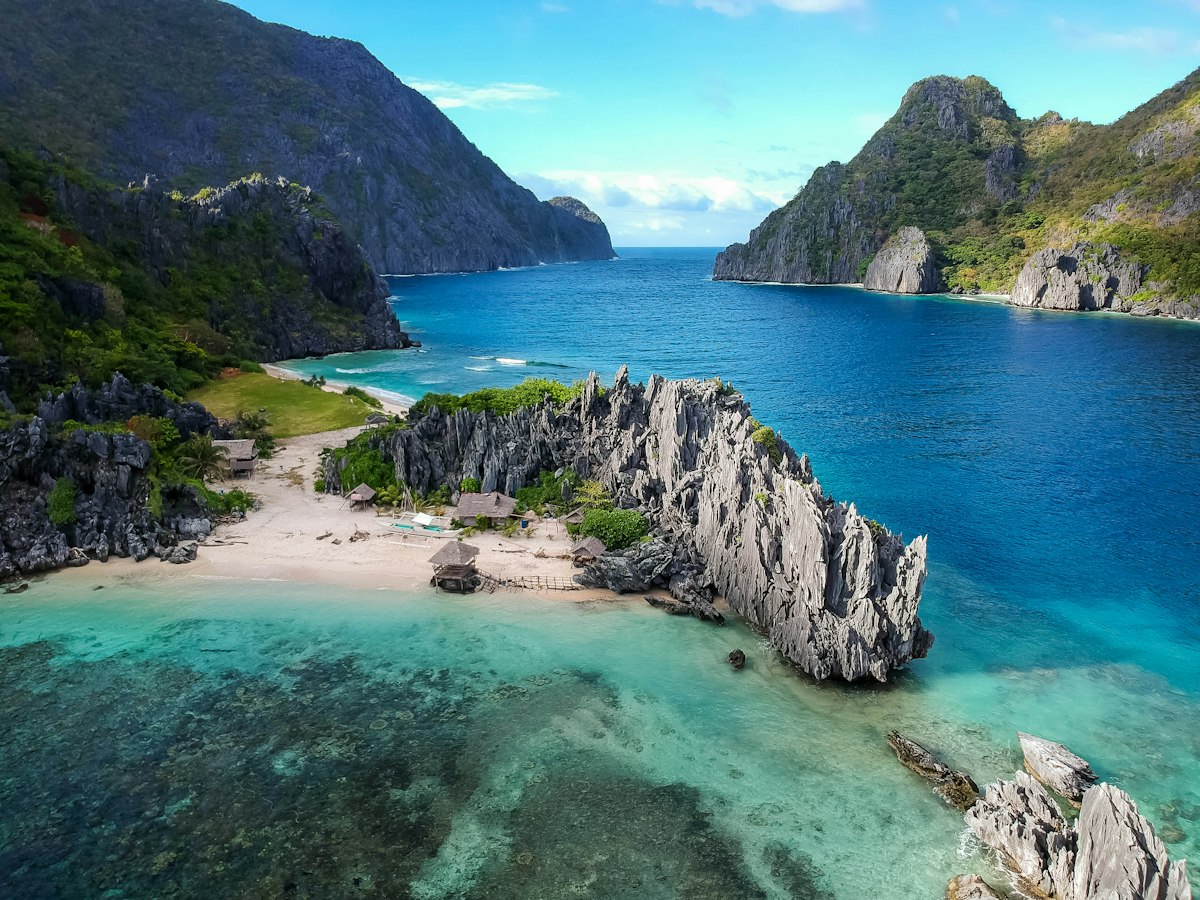
Palawan consistently ranks as one of the world's best islands — and it deserves every award. The province contains two extraordinary destinations: El Nido in the north and Coron in the north-west, connected by a scenic boat journey.
El Nido is famous for its dramatic limestone karst scenery, hidden lagoons accessible only by boat or kayak and some of the most photographed beaches in the world. The Big Lagoon, Small Lagoon and Seven Commandos Beach are extraordinary. Island hopping tours cost $15–$25 per person and are genuinely exceptional.
Coron is the world-class wreck diving capital of Asia — Japanese warships sunk in WWII lie in shallow, clear water and are accessible even to beginner divers. Above water, Kayangan Lake (reached by a short steep hike) is one of the most beautiful freshwater lakes you will ever see.
🌊 Siargao — Surfers' Paradise
Siargao is the Philippines' surf capital — home to Cloud 9, one of Asia's most famous surf breaks. But Siargao is much more than surfing. The island has a laid-back, bohemian atmosphere, extraordinary sugba lagoon and mangrove tours, and some of the best fresh seafood in the Philippines. It attracts a creative, international crowd of surfers, digital nomads and travellers who discover it and never quite leave.
🐠 Cebu — Gateway Island
Cebu City is the Philippines' second largest city and a major transport hub for the Visayas region. But the real draw is what surrounds it — Moalboal on the west coast has sardine run snorkelling that is genuinely one of the world's great wildlife experiences (millions of sardines forming constantly shifting shapes in clear water), while Oslob allows swimming with whale sharks (controversial but extremely popular). The Kawasan Falls canyon canyoneering is another unmissable experience.
🦋 Bohol — Culture and Nature Combined
Bohol is the Philippines' most diverse single island — combining the famous Chocolate Hills (perfectly rounded grass-covered hills that turn brown in dry season), the world's smallest primate (the tarsier, with enormous eyes and the ability to turn its head 180 degrees), pristine beaches on Panglao Island and excellent diving. Two to three days is perfect for Bohol.
🎉 Boracay — The Classic Beach Resort
Boracay's White Beach is one of Asia's most famous stretches of sand — 4km of powder-white sand and clear turquoise water. After a controversial government closure and cleanup in 2018, Boracay has recovered well and is more carefully managed than before. It's lively, beautiful and well-developed — the right choice if you want amenities, nightlife and a classic beach resort experience. If you want quiet and authenticity, go somewhere else instead.
Philippines Food Guide — What to Eat
🍚 Adobo — The National Dish
Pork or chicken slow-cooked in vinegar, soy sauce, garlic and bay leaves until the meat falls apart. Every Filipino family has their own recipe passed down through generations. It improves overnight — restaurants that make it the day before for lunch service are serving the best version. Costs $2–$4 at a local carinderia (food stall).
🐷 Lechon — Whole Roast Pig
The centrepiece of every Filipino celebration — a whole pig slow-roasted over coals for 5–6 hours until the skin crackles and the meat falls from the bone. Cebu is famous for producing the Philippines' best lechon. At a special occasion restaurant a portion costs $5–$8 and is worth every cent.
🍜 Sinigang — Sour Tamarind Soup
A sour, savoury soup made with tamarind broth, vegetables and pork, beef or seafood. Light, incredibly flavourful and deeply comforting. One of the great soups of Southeast Asian cooking. Order it at any traditional Filipino restaurant — costs $3–$6.
🥭 Philippine Mangoes — The World's Best
This is not exaggeration. Philippine mangoes — particularly the Carabao variety from Guimaras island — are regularly ranked the world's sweetest mangoes. Eaten perfectly ripe, they have a honey-like sweetness and no fibrous texture. Buy them from market stalls for $0.50–$1 each. Eat as many as possible.
Getting Around the Philippines
✈️ Budget Flights — Essential for Island Hopping
The Philippines is too large to navigate without domestic flights between major islands. Cebu Pacific and AirAsia Philippines operate extensive domestic networks with routes costing $15–$60 booked in advance. Always book domestic flights at least 2–3 weeks ahead during peak season when seats sell out quickly.
⛵ Ferries and Bangkas
Inter-island ferries operate between major destinations — 2GO Travel runs large comfortable ferries on overnight routes. Smaller islands are reached by bangka (outrigger canoe) or speedboat. Always check weather conditions before island transfers — the Philippines experiences rough seas during typhoon season and crossing in bad weather is dangerous.
🛺 Tricycles and Jeepneys
Within towns and cities, tricycles (motorcycle with passenger sidecar) and jeepneys (colourfully decorated minibuses) are the primary local transport. Tricycles cost $0.50–$2 for short trips. Jeepney fares start at $0.25. Both are authentic Filipino experiences and completely safe for tourists.
Sample 14-Day First Timer Philippines Itinerary
| Days | Destination | Highlights |
|---|---|---|
| Day 1 | Manila arrival | Intramuros walled city, Rizal Park, BGC night food market |
| Days 2–5 | El Nido, Palawan | Island hopping Tours A&C, Big Lagoon, Nacpan Beach, sunset viewpoint |
| Days 6–8 | Coron, Palawan | Wreck diving, Kayangan Lake, Twin Lagoon, Maquinit hot springs |
| Days 9–10 | Cebu | Moalboal sardine run, whale shark swimming Oslob, Kawasan Falls canyoneering |
| Days 11–12 | Bohol | Chocolate Hills, tarsiers, Panglao beach, firefly watching cruise |
| Days 13–14 | Siargao | Cloud 9 surfing, Sugba Lagoon, island hopping, sunset drinks |
🚫 Common Mistakes First Timers Make in the Philippines
Manila is a chaotic, fascinating city — but it is not the Philippines' strength. Most experienced visitors spend one night maximum before flying to the islands. Don't make the mistake of spending 3–4 days in Manila while the extraordinary islands wait. Fly to Palawan, Cebu or Siargao as soon as possible.
Domestic flights between islands — particularly to El Nido (Puerto Princesa) and Siargao — sell out weeks in advance during peak season. Travellers who arrive in Manila expecting to fly to Palawan the next day frequently find no seats available. Always book domestic flights before you leave home.
Moving between islands takes significantly longer than it looks on a map. The El Nido to Coron boat transfer takes 4–8 hours depending on conditions. The route between Bohol and Siargao requires multiple connections. Always build transit days into your itinerary and never plan island transfers on the last day before a flight home.
The Philippines gets hit by an average of 20 typhoons per year. Travelling during June to November requires flexibility and careful monitoring of weather forecasts. Never take boat crossings when local operators are expressing concern about weather. Local fishermen's judgement about sea conditions is always more reliable than any app.
The cheapest boat tours in the Philippines sometimes use poorly maintained vessels with inadequate life jackets and no radio communication. Several boat accidents have occurred in recent years. Research operators carefully, check reviews specifically mentioning safety equipment and never compromise on safety for a few dollars saved.
Many Philippine beaches and natural attractions now charge environmental fees ($2–$10) and have visitor limits that require advance booking. El Nido has had booking requirements for island hopping tours during peak season. Check current requirements before you arrive to avoid disappointment at the gate.
🔗 Useful Official Links
🌐❓ Frequently Asked Questions
📚 You Might Also Like
👉Vietnam Travel Guide for First Timers 2026Read → 👉How Much Does Thailand Cost in 2026?Read → 👉Sri Lanka Travel Guide 2026 — First Timers GuideRead → 👉10 Cheapest Countries to Visit in 2026Read →🛠️ Plan Your Philippines Trip With Free Tools
Calculate your exact Philippines budget
Check if you need a visa for Philippines
Find the perfect time to visit Philippines
Convert to Philippine Peso (PHP)
🌍 Book Your Trip — Trusted Partners
✅ Affiliate disclosure: we may earn a commission at no extra cost to you.
We research every destination thoroughly to give you honest, practical travel guides — no fluff, no sponsored opinions, just real advice that helps you travel smarter.
Found this helpful? Share it! 😊
Get Free Travel Tips Every Week
Join thousands of smart travellers getting the best deals, destination guides and money saving tips.
No spam ever. Unsubscribe anytime.
📖 More Asia Travel Guides
✅ Final Verdict — Should You Visit the Philippines?
Without hesitation. The Philippines is one of the world's truly great travel experiences — extraordinary natural beauty, genuinely warm and welcoming people, exceptional food and daily costs that make extended travel entirely accessible. Go to Palawan first. Stay longer than planned. Come back the following year. Start planning at smarttravelplannr.com 🇵🇭