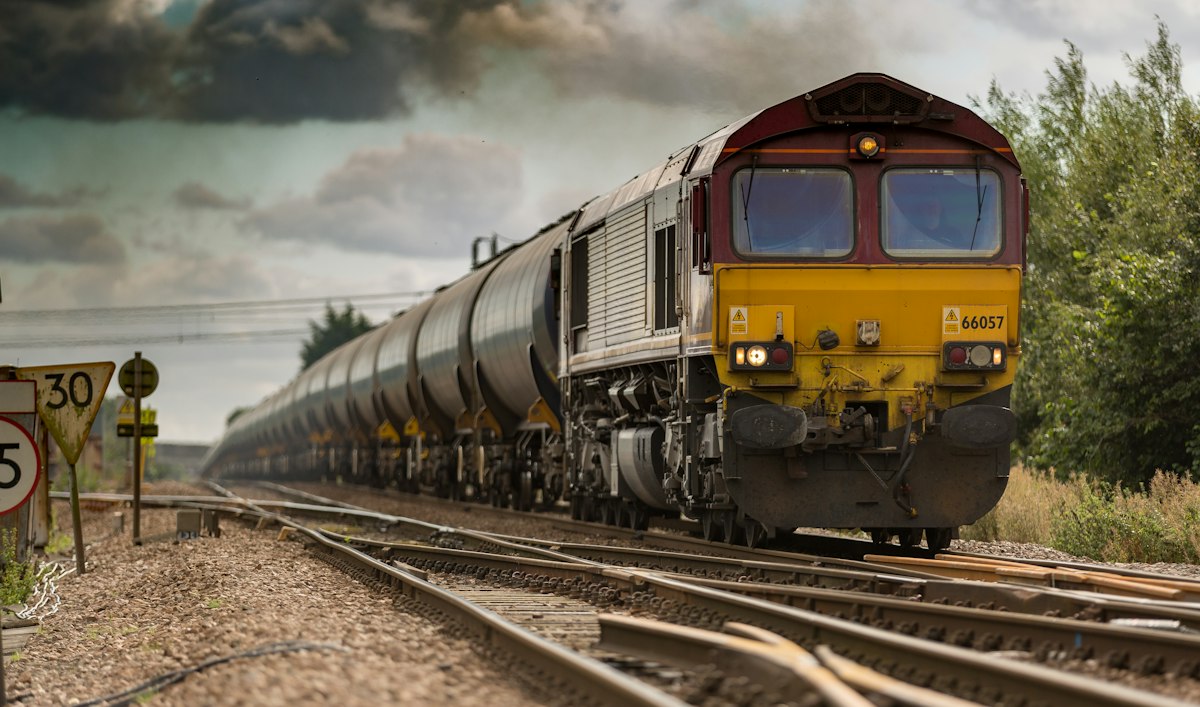
Travelling Europe by train is one of the great pleasures of modern travel — and one of the most confusing to plan if you have never done it. Rail passes, point-to-point tickets, seat reservations, high-speed connections, overnight sleepers — the options are genuinely bewildering for first-time visitors, and the difference between booking correctly and booking incorrectly can mean hundreds of dollars saved or wasted.
This guide cuts through the confusion. By the end of it you will know exactly how to plan a European rail trip, when a Eurail pass saves money and when it does not, which routes are worth taking for the journey itself and how to book every ticket at the lowest possible price.
🚂 Why Train Travel in Europe Is Worth It
City centre to city centre (no airport hassle, no 2-hour early check-in, no baggage fees), scenic routes that no flight ever gives you, dining cars, sleeping cars and the genuine pleasure of watching Europe scroll past your window. Once you travel Europe by train, going back to short-haul flights feels like a downgrade.
Do You Need a Eurail Pass? — The Honest Answer
The Eurail pass (and Interrail pass for European residents) is often the first thing people research for European rail travel — and it is frequently the wrong choice. A Eurail pass makes sense in specific circumstances and is poor value in others.
| Situation | Eurail Pass? | Why |
|---|---|---|
| Multiple countries, flexible dates, lots of travel | ✅ Often worth it | Flexibility value + multi-country savings add up |
| 2-3 specific routes, booked in advance | ❌ Usually not | Point-to-point advance tickets usually cheaper |
| France, Spain, Italy high-speed trains | ⚠️ Check carefully | Pass + mandatory seat reservation fees often = same as ticket |
| Germany, Austria, Switzerland, Netherlands | ✅ Often good value | Few reservations required, flexible travel works well |
| Overnight sleeper trains | ℹ️ Pass + cabin fee | Pass covers the travel, cabin supplement extra |
| Day trips and regional travel | ❌ Rarely worth it | Regional day tickets and point-to-point are cheaper |
The Best European Train Routes in 2026
🚄 London → Paris → Amsterdam (The Classic)
London to Paris by Eurostar (2h15, from £40–£200 depending on advance booking) through the Channel Tunnel. Paris to Amsterdam by Thalys/Eurostar high-speed (3h30, from €35–€150). The most famous European rail journey and still one of the best — three of the world's great cities, no airports, city centre arrivals throughout.
🏔️ Zurich → Interlaken → Zermatt (The Swiss Alpine Route)
Switzerland's mountain rail network is simply the most spectacular rail scenery on earth. The route from Zurich through the Bernese Oberland to Interlaken, continuing to Grindelwald and across to Zermatt (beneath the Matterhorn) involves several different railways — including the Jungfrau Railway to Jungfraujoch at 3,454m (Europe's highest railway station) and the Glacier Express from Zermatt to St Moritz (291 bridges, 91 tunnels, 8 hours). Switzerland is the destination where the train journey absolutely is the destination.
🌊 Barcelona → Valencia → Seville (The Spanish Mediterranean)
Spain has one of the finest high-speed rail networks in the world — AVE (Alta Velocidad Española) operates 300km/h trains between the major cities that are faster city-to-city than flying when you include airport time. Barcelona to Madrid takes 2h30. Madrid to Seville takes 2h20. The trains are comfortable, punctual and often cheaper than flights when booked in advance at Renfe.com.
🌙 Vienna → Venice (Overnight Sleeper)
The Nightjet overnight sleeper from Vienna to Venice operated by ÖBB departs in the evening and arrives at Santa Lucia station in Venice in the morning — saving a night's accommodation cost and arriving directly in the most romantic city in Europe having slept through the Alps. Couchette berths from €39, private sleeping compartments from €99. Book at oebb.at. The overnight sleeper network is expanding significantly across Europe in 2026 — Paris to Berlin, Vienna to Paris, Amsterdam to Warsaw all now have services.
Suggested Europe by Train Itineraries
1–3
Arrive Paris Gare du Nord. Eiffel Tower, Louvre, Le Marais, Montmartre. 3 nights. Book Eurostar at least 3 months ahead for £40–60 fares.
4–6
Direct high-speed from Paris Gare de Lyon. Book on Renfe or SNCF — from €35 in advance. Sagrada Família, Gothic Quarter, La Boqueria market. 3 nights.
7–9
No direct train — take budget flight (1h45) or overnight ferry/train combo. Rome: Colosseum, Forum, Vatican, Trastevere. 3 nights.
10–11
Italy's Frecciarossa high-speed covers Rome-Florence in 1h30, Florence-Venice in 2h. Book on Trenitalia.com. Stop in Florence for a day. Arrive Venice — no taxis, no buses, just canals.
12–14
Take the Nightjet overnight sleeper — depart Venice 21:00, arrive Vienna 07:00. One final Vienna morning before your flight home. The most satisfying final night of a Europe trip.
How to Book European Train Tickets — The Complete Guide
| Country | Booking Site | Best Advance Booking | Notes |
|---|---|---|---|
| 🇬🇧 UK | thetrainline.com | 12 weeks ahead | Advance tickets up to 80% cheaper than walk-up |
| 🇫🇷 France | sncf-connect.com | 3–4 months ahead | TGV book early — flash sales on Tuesdays |
| 🇩🇪 Germany | bahn.de | 6 weeks ahead | DB Sparpreis fares from €17.90 |
| 🇮🇹 Italy | trenitalia.com | 4 months ahead | Super Economy fares on Frecciarossa from €9 |
| 🇪🇸 Spain | renfe.com | 2 months ahead | AVE Promo fares from €15 |
| 🇨🇭 Switzerland | sbb.ch | 3 months ahead | Swiss Travel Pass often good value for Swiss travel |
| 🌍 Multi-country | raileurope.com | As early as possible | Good for complex multi-country bookings |
| 🌙 Nightjet sleepers | oebb.at | 3–6 months ahead | Private compartments sell out fast in summer |
Train Travel vs Flying in Europe — When Each Makes Sense
| Route | Train | Fly | Winner |
|---|---|---|---|
| London → Paris | 2h15 (city centre) | 3h45 (incl. airports) | Train ✅ |
| Paris → Amsterdam | 3h30 (city centre) | 4h+ (incl. airports) | Train ✅ |
| Madrid → Barcelona | 2h30 (city centre) | 3h30+ (incl. airports) | Train ✅ |
| Rome → Milan | 3h (city centre) | 3h30+ (incl. airports) | Train ✅ |
| London → Rome | No direct — 18h+ | 2h30 | Fly ✅ |
| Barcelona → Rome | No direct — 12h+ | 2h | Fly ✅ |
| Vienna → Venice | Nightjet 8h (overnight) | 1h30 + airports | Train ✅ (saves hotel night) |
🚫 European Train Travel Mistakes to Avoid
This is the most expensive mistake in European rail planning. A Global Eurail Pass costs €400–800 depending on duration and age. If your itinerary is London-Paris-Barcelona-Rome with three specific routes booked 3 months in advance, those tickets might total €100–180 — significantly less than a pass. The pass is valuable for flexible, multi-country travel where you want to jump on trains without planning precisely. It is poor value for a planned itinerary with specific dates. Always calculate both options before buying.
Many travellers buy a Eurail pass and then discover that the high-speed trains they want to take — France's TGV, Spain's AVE, Italy's Frecciarossa, the Eurostar — all require a mandatory paid seat reservation on top of the pass, typically €10–35 per journey. On a France-Spain-Italy itinerary these reservation fees can add €100–200 to the pass cost. Factor this in when comparing pass versus point-to-point costs.
Nightjet overnight sleeper trains in Europe — Vienna-Venice, Vienna-Paris, Hamburg-Vienna, Amsterdam-Vienna — have a limited number of private sleeping compartments that sell out months in advance for summer travel. Couchette berths (shared 6-person compartments) are more available but still book up. Book as soon as your dates are fixed — for July-August travel, this means booking in March or April at the latest. The oebb.at website opens bookings 6 months in advance.
European rail often requires booking separate tickets for each leg of a journey, particularly when crossing borders. London-Brussels is one Eurostar ticket, but Brussels-Frankfurt is a separate German or Belgian rail ticket and Frankfurt-Vienna is another. Booking through a single platform like Raileurope or Trainline simplifies this but knowing that connections require separate bookings prevents confusion at the station. Also: if you miss a connection due to your own booking, not a railway delay, you are not automatically entitled to a rebooking.
🚂 Top Hotels on the Best Rail Routes
All hotels →🔗 Essential Rail Booking Links
🌍❓ Frequently Asked Questions
It depends on your itinerary. Worth it for flexible multi-country travel without fixed dates. Usually NOT worth it for a specific planned itinerary — advance point-to-point tickets are typically cheaper. Always calculate your exact routes as point-to-point tickets first and compare with the pass price plus reservation fees.
Book directly with national operators: SNCF (France), DB (Germany), Trenitalia (Italy), Renfe (Spain), ÖBB (Austria), SBB (Switzerland). For multi-country: Raileurope.com or Trainline.com. Book as early as possible — cheapest fares disappear within days of going on sale.
For journeys under 3 hours by high-speed train, yes — almost always faster door-to-door. London-Paris: 2h15 by Eurostar vs 3h45+ flying. For journeys over 5 hours, flying usually wins on time. The 3-hour rule is the practical guide.
Yes — many popular trains require mandatory paid reservations even with a pass: TGV (€10-35), AVE (€10), Frecciarossa (€10), Eurostar (€30-50), Nightjet supplements. These fees can add €100-200 on a France-Spain-Italy itinerary. Factor them into your comparison.
Vienna to Venice on the Nightjet (ÖBB) — departs Vienna evening, arrives Venice morning, crossing the Alps while you sleep, saving a hotel night. Book at oebb.at. Private compartments from €99, couchette berths from €39. Also excellent: Vienna-Paris, Hamburg-Vienna.
Switzerland's Glacier Express (Zermatt to St Moritz — 291 bridges, 91 tunnels, 8 hours through the Alps). Also extraordinary: Bernina Express, Norway's Flåm Railway and Scotland's West Highland Line.
Eurostar: 3-6 months. TGV: 3-4 months. German ICE: 6 weeks. Frecciarossa: 4 months. AVE: 2 months. Nightjet sleepers: 3-6 months. Most European high-speed trains open booking 3-6 months ahead — cheapest fares sell out within days.
Book point-to-point advance tickets on national rail websites as early as possible. DB Sparpreis from €17.90, Trenitalia Super Economy from €9, Renfe AVE Promo from €15. For flexible travel compare Eurail pass costs including reservation fees against your specific routes.
📚 More Europe Travel Guides
👉Budapest vs Prague vs Vienna — Which City First in 2026?Read → 👉Europe on a Budget 2026 — How to Travel Europe AffordablyRead → 👉Lisbon for First Timers 2026 — Is Portugal's Capital Worth the Hype?Read → 👉Is Croatia Worth Visiting in 2026? — Honest First-Timer's GuideRead →🛠️ Free Planning Tools
Calculate your exact budget
Check your entry requirements
Best time to visit
What to pack for your trip
Convert to local currency
We research every destination thoroughly — honest, practical guides with no fluff, no sponsored opinions. Just real advice that helps you travel smarter.
Found this helpful? Share it! 😊
Get Free Travel Tips Every Week
Honest destination guides, money-saving tips and first-timer advice — every week.
No spam ever. Unsubscribe anytime.
📖 More Travel Planning Guides
✅ Final Verdict
Travelling Europe by train is one of the genuinely great travel experiences — not just a means of getting from place to place but a form of travel that rewards you with scenery, comfort and a connection to the landscape that no flight ever provides. The Swiss Alps scrolling past your window at eye level on the Glacier Express. Arriving in Venice at dawn having slept through the Austrian mountains. Watching Paris give way to the French countryside at 300km/h from a TGV window. These are moments that belong to train travel and nothing else. Book early, compare pass vs point-to-point, master the overnight sleeper and you will spend your European trip wondering why you ever flew between cities at all. Start planning at smarttravelplannr.com 🚂