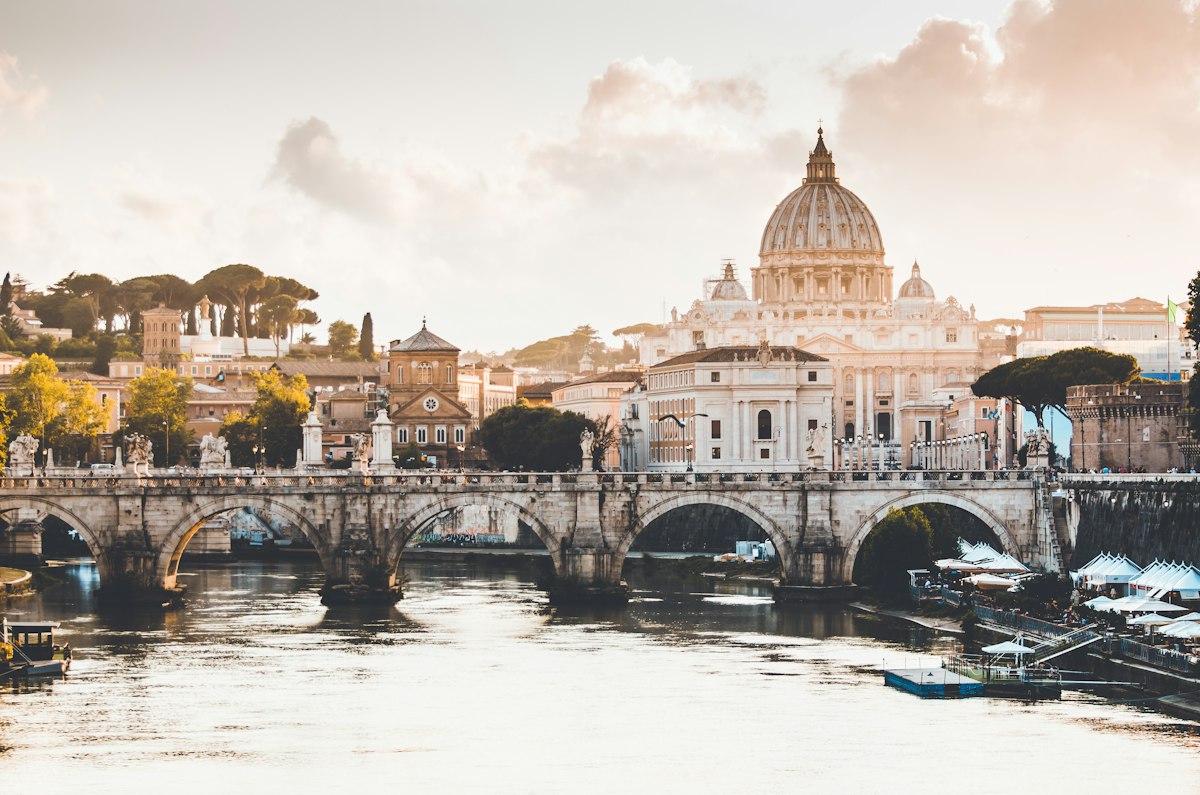
Italy is the world's most dreamed-about destination — and for very good reason. Nowhere else on earth packs this much history, food, art, coastline, architecture and sheer beauty into a single country. The problem for first time visitors is not whether to go. It is where to start. Rome or Florence? Tuscany or the Amalfi Coast? Two weeks or three? North or South? Skip Venice or not?
This guide cuts through the noise and gives you the honest answers. Italy rewards those who plan well and punishes those who try to do everything at once. The single biggest mistake first timers make is trying to see too much in too little time. Understand that from the start and you are already ahead of 80% of first time visitors.
🇮🇹 Rome, Florence or Amalfi Coast First?
The Colosseum. The Uffizi. Cinque Terre. Positano. Tuscan vineyards. Fresh pasta that changes your understanding of food. Italy is the world's #1 destination for 2026 — here is exactly how to plan your first trip and make every day count.
Rome, Florence or Amalfi Coast — Where to Start?
This is the question every first time Italy visitor wrestles with. The honest answer is that all three are extraordinary and none is wrong. But here is how to decide based on what matters most to you 👇
| Destination | Best For | Time Needed | First Timer Verdict |
|---|---|---|---|
| 🏛️ Rome | History, ancient ruins, Vatican | 3–4 days minimum | Start Here |
| 🎨 Florence | Renaissance art, Tuscany, food | 2–3 days | Essential Add |
| 🌊 Amalfi Coast | Dramatic coastline, beaches | 3–4 days | Worth It |
| 🚤 Venice | Canals, architecture, romance | 1–2 days | Short Visit Only |
| 🍷 Tuscany | Countryside, wine, hill towns | 3–4 days | If Time Allows |
| 🍋 Sicily | Food, history, beaches | 5–7 days | Return Trip |
Italy Travel Costs 2026 — The Real Numbers
Italy's reputation as expensive is only partly deserved. The tourist traps around major attractions are genuinely expensive. But step one street back from the Colosseum or the Uffizi and Italy becomes surprisingly affordable — particularly for food and wine which are extraordinary value compared to equivalent quality in the UK, US or Australia.
| Category | Budget | Mid-Range | Comfortable |
|---|---|---|---|
| 🛏️ Accommodation/night | $50–$90 | $120–$220 | $280–$600 |
| 🍽️ Food per day | $25–$45 | $55–$100 | $120–$250 |
| 🚂 Transport per day | $15–$30 | $35–$70 | $80–$200 |
| 🎯 Activities per day | $20–$50 | $60–$120 | $150–$400 |
| Daily Total | $110–$215 | $270–$510 | $630–$1,450 |
Do I Need a Visa for Italy?
Italy is a member of the Schengen Area and the European Union.
Visa-Free Entry
UK, USA, Canada, Australia and most other Western nations can visit Italy visa-free for up to 90 days within any 180-day period. Your passport must be valid for at least 3 months beyond your planned departure date from the Schengen Area.
ETIAS — Coming 2026
The EU's new ETIAS (European Travel Information and Authorisation System) for visa-exempt travellers has been delayed multiple times but may launch in late 2026. It will require a simple online pre-registration costing approximately €7. Check the official ETIAS website before travel for the latest status.
Best Places to Visit in Italy for First Timers
🏛️ Rome — The Eternal City
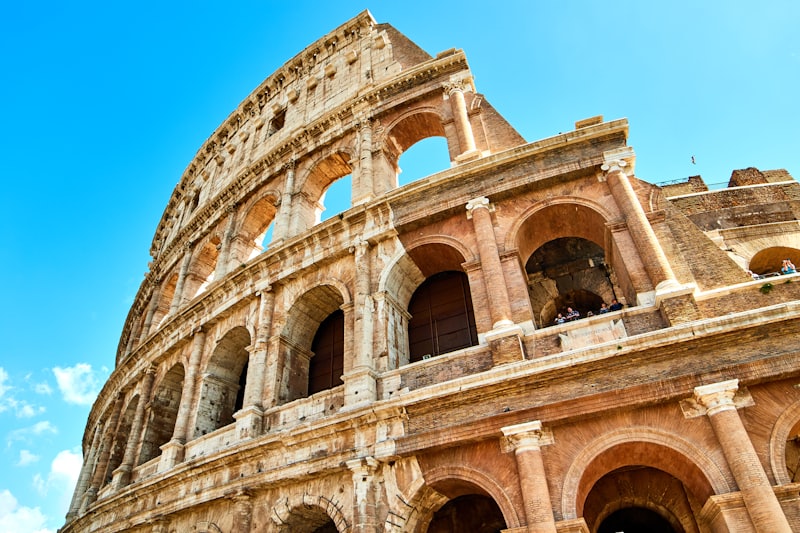
Rome is one of the world's most extraordinary cities — 2,800 years of history layered on top of itself, still functioning, still inhabited, still serving coffee at bars that have been open for a century. The Colosseum is more impressive in person than any photograph suggests. The Vatican Museums and Sistine Chapel are genuinely jaw-dropping — book tickets months in advance. The Trevi Fountain is best visited at dawn before the crowds arrive. The Pantheon — built in 125 AD and still perfectly intact — is free to enter and one of the most remarkable buildings on earth. Budget minimum 3 full days for Rome.
🎨 Florence — Renaissance Capital
Florence is a compact, walkable city of extraordinary Renaissance beauty. The Uffizi Gallery houses the world's greatest collection of Renaissance art — Botticelli's Birth of Venus, da Vinci, Raphael, Michelangelo. Book tickets weeks ahead. Michelangelo's David at the Accademia Gallery is one of the most moving experiences in art — nothing prepares you for the scale and perfection of it. Climb the Duomo dome for the best views in Tuscany. Budget 2–3 days.
🌊 Amalfi Coast — Italy's Most Dramatic Coastline
The Amalfi Coast is 50 kilometres of sheer cliffs, fishing villages, lemon groves and turquoise sea between Sorrento and Salerno. Positano — the postcard-perfect village of pastel houses tumbling down to the sea — is the most photographed location in Italy. Stay in Sorrento rather than Positano if budget is a concern — Sorrento is significantly cheaper and well-connected by ferry to the entire coast. The island of Capri is a half-day boat trip away and worth every minute. Budget 3–4 days for the coast.
🛶 Cinque Terre — Five Villages on a Cliff
Cinque Terre — five colourful fishing villages clinging to dramatic cliffs on the Ligurian coast — is one of Italy's most beloved landscapes. The hike between villages on the Sentiero Azzurro trail (coastal path) is one of Europe's great walks with extraordinary sea views at every turn. Avoid July and August when it becomes extremely crowded — May, June, September and October are ideal. Base yourself in La Spezia or Monterosso for the best accommodation value.
🍷 Tuscany — The Italian Dream
The rolling hills of Tuscany — cypress trees, medieval hill towns, vineyards, olive groves — are the Italy of everyone's imagination. Siena and San Gimignano are medieval masterpieces. The Chianti wine region between Florence and Siena offers world-class wine tasting in extraordinary scenery. A rental car is the only way to properly explore Tuscany — the countryside is completely inaccessible without one.
The train network covers Rome, Florence and Venice perfectly. But Tuscany's hill towns, the Amalfi hinterland and Sicily require a rental car to experience properly. LocalRent compares all major companies for the best price.
🚗 Compare Italy Car Rental Prices →Best Time to Visit Italy 2026
| Month | Weather | Crowds | Price | Verdict |
|---|---|---|---|---|
| Apr–May | Warm & sunny | Medium | Medium | Sweet Spot |
| Jun–Aug | Very hot | Very High | Highest | Avoid if Possible |
| Sep–Oct | Warm & beautiful | Medium | Medium | Best Overall |
| Nov–Mar | Cool & mild | Low | Low | Budget Season |
September and October are the best months to visit Italy — warm temperatures, the summer crowds have thinned, harvest season means incredible food and wine, and prices are noticeably lower than peak summer. April and May are a close second — spring flowers, comfortable temperatures and the pre-summer crowds. Avoid July and August for Rome and the Amalfi Coast — the heat is extreme and the crowds are suffocating.
Getting Around Italy
🚂 Trains — The Best Way
Italy's high-speed train network (Trenitalia Frecciarossa and Italo) is excellent, affordable and the most sensible way to travel between major cities. Rome to Florence takes 1.5 hours at around €30–€50 booked in advance. Florence to Venice takes 2 hours. Book at trenitalia.com or italotreno.it — advance booking saves significantly over walk-up fares.
🚗 Car Rental — For the Countryside
Avoid driving in Rome and Florence — the traffic is chaotic, ZTL (Limited Traffic Zones) fines are expensive and parking is nearly impossible. A rental car makes sense from Florence for exploring Tuscany or from Naples for the Amalfi hinterland. Book through LocalRent to compare all major companies.
⛴️ Ferries — For the Coast
Ferries connect Sorrento, Positano, Amalfi and Capri along the Amalfi Coast — faster and more scenic than the notoriously winding coastal road. Book tickets at the port or through local operators.
Italian Food — What You Must Eat
🍝 Cacio e Pepe — Rome's Greatest Pasta
Spaghetti with Pecorino Romano cheese and black pepper — three ingredients, one of the world's greatest dishes. Only eat it in Rome where it originates. A bowl at a genuine Roman trattoria costs €10–€14. The tourist-trap versions near major attractions bear no resemblance to the real thing.
🥩 Bistecca alla Fiorentina — Florence
A T-bone steak from Chianina cattle, cooked over charcoal, served rare — Florence's great meat dish. Sold by weight at around €50–€80 per kilogram, typically serving two people. One of the great carnivore experiences in European cooking.
🍋 Limoncello & Seafood — Amalfi Coast
The Amalfi Coast's lemon groves produce some of the world's finest lemons — used in limoncello, pastries, pasta sauces and practically everything else. Fresh seafood is extraordinary here — grilled whole fish, spaghetti alle vongole (clams) and frittura di pesce (mixed fried seafood) are the things to order.
🍕 Pizza — Naples
Naples invented pizza and Neapolitan pizza — thin base, San Marzano tomatoes, fresh mozzarella di bufala, wood-fired at extreme temperature for 90 seconds — is categorically different from anything sold elsewhere under the same name. The queue at L'Antica Pizzeria da Michele in Naples moves fast and is completely worth it. A margherita costs €5.
Sample 10-Day Italy Itinerary
| Days | Location | Highlights |
|---|---|---|
| Days 1–3 | Rome | Colosseum, Roman Forum, Vatican Museums, Sistine Chapel, Trevi Fountain at dawn, Pantheon, trastevere dinner |
| Days 4–5 | Florence | Uffizi Gallery, Michelangelo's David, Duomo climb, Ponte Vecchio, Oltrarno neighbourhood, Chianti day trip |
| Day 6 | Cinque Terre | Train from Florence, afternoon hike between villages, seafood dinner in Vernazza |
| Days 7–9 | Amalfi Coast | Sorrento base, Positano day trip, Amalfi town, Ravello gardens, Capri ferry trip |
| Day 10 | Naples departure | Morning pizza at da Michele, afternoon flight home from Naples (NAP) |
🔗 Useful Official Links
🌐
🚫 Mistakes First Timers Make in Italy
The Vatican Museums queue in peak season can be 3–4 hours long for walk-up visitors. The Colosseum regularly sells out days in advance during summer. Both can be booked online weeks ahead for the same entry price with zero queuing. This is the single most time-saving thing you can do in Italy — visitors who miss this spend entire mornings standing in lines instead of seeing things.
The restaurants within 100 metres of the Colosseum, Trevi Fountain, Uffizi and other major sights charge two to three times the normal price for noticeably lower quality food. The rule in Italy is simple — the further from the tourist attraction, the better the food and the more honest the price. Walk at least two streets away before sitting down to eat. A genuine Roman trattoria that charges €12 for pasta will be better in every way than the tourist restaurant charging €22 for the same dish.
Both Rome and Florence have ZTL (Zona a Traffico Limitato) areas — restricted traffic zones that cover virtually all the historic centre. Driving into a ZTL without a permit triggers an automatic fine of €100–€300 per entry, photographed by cameras and sent to your home address weeks later — often via the rental company which adds its own processing fee. Never drive in Italian city centres. Use trains between cities and walk or use public transport within them.
Venice in July and August is genuinely one of the most unpleasant tourist experiences in Europe — extreme heat, crowds so dense movement becomes difficult and prices that make the rest of Italy look cheap. Venice is beautiful — extraordinarily so — but it needs to be experienced outside of peak season. Visit in November to March for a completely different city — misty, quiet, affordable and genuinely mysterious.
In Italian bars there are always two prices — standing at the bar (al banco) and sitting down (al tavolo). A cappuccino at the bar costs €1.20–€1.80. The same cappuccino at a table costs €3–€5. Italians always drink coffee standing at the bar — it takes 2 minutes and costs a fraction of the sitting price. Tourist restaurants sometimes charge even more for table service. Stand at the bar, drink your coffee properly, and save your money for more important things like gelato.
Most genuine Italian restaurants — particularly outside tourist areas — serve lunch from 12:30–2:30pm and dinner from 7:30–10:30pm. Many close between these times. The lunch menu (menù del giorno) is always significantly cheaper than the dinner menu at the same restaurant — typically €10–€15 for two courses and a glass of wine versus €30–€40 at dinner. Eating your main meal at lunch is how Italians eat and how you save considerable money without sacrificing quality.