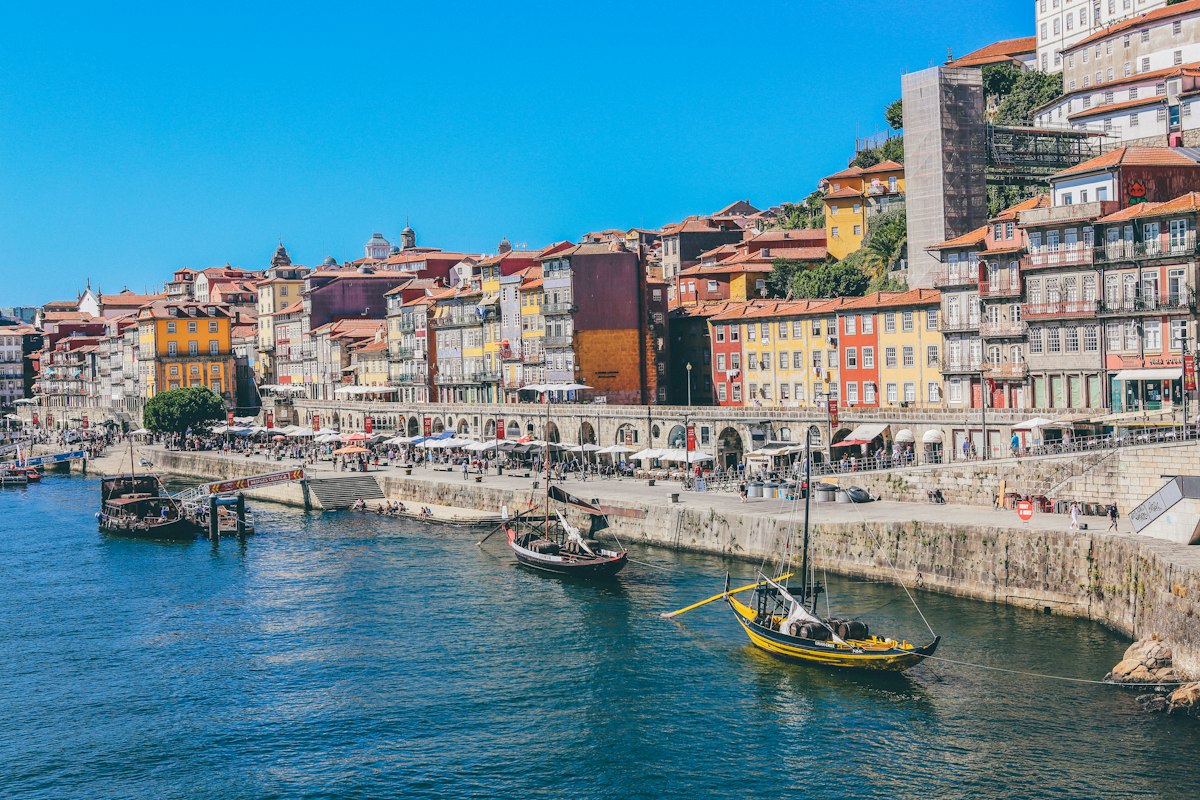
Lisbon has spent the last decade becoming the most talked-about city in Europe — Atlantic light, seven hills, the greatest pastéis de nata on earth, affordable wine, azulejo tiles on every surface and a faded-glamour beauty that makes you want to move there within about 48 hours of arriving. It has also become significantly more expensive and crowded than the city that people who visited five years ago keep telling you about.
Is it still worth it? Absolutely. Is it still the hidden gem that your well-travelled friends discovered? No. This guide gives you the honest 2026 picture — what Lisbon does brilliantly, what to manage expectations on and how to get the most out of Europe's most compelling Atlantic capital.
🇵🇹 Is Lisbon Worth the Hype in 2026?
Yes — Lisbon remains one of Europe's most rewarding city breaks. The food, the light, the neighbourhoods, the music, the history and the day trips to Sintra and the Alentejo are all genuinely outstanding. It is no longer cheap but it is still significantly better value than Paris, Amsterdam or Zurich.
Why Lisbon Is Still Europe's Best City Break
Lisbon sits at the mouth of the Tagus river on Portugal's Atlantic coast — a city of 500,000 people spread across seven hills, with an architectural texture that results from the 1755 earthquake that levelled much of the original city and the extraordinary Pombaline reconstruction that followed. The result is a city that is simultaneously ancient — the Alfama neighbourhood with its Moorish street layout dates to before the earthquake and retains its medieval character — and elegantly 18th-century in its grid districts. The Belém Tower and Jerónimos Monastery are among the finest examples of Manueline Gothic architecture on earth. The fado music emerging from an Alfama restaurant on a Thursday evening is one of Portugal's most distinctive cultural experiences. And the pastéis de nata from Pastéis de Belém — the original, made to a recipe from 1837 — are genuinely among the world's great pastries.
🏘️ Lisbon Neighbourhoods — Where to Stay and Explore
Alfama — The Soul of Lisbon
Alfama is Lisbon's oldest neighbourhood — a Moorish maze of narrow streets climbing the hill below São Jorge Castle, with laundry strung between windows, cats sleeping in doorways and fado music audible from the restaurants below. The viewpoints — Miradouro da Graça and Portas do Sol — offer the most famous Lisbon views. Atmospheric to stay in but not practical for transport.
Chiado & Bairro Alto — Culture and Nightlife
Chiado is Lisbon's most elegant quarter — independent bookshops, design boutiques, the A Brasileira café where Fernando Pessoa famously drank bica coffee and some of the city's best restaurants. Adjacent Bairro Alto is where the bars are — streets so dense with outdoor drinking that by midnight you are essentially part of a moving party. The best base for first-time visitors — central, walkable to most sights and well-connected by tram and metro.
LX Factory & Alcântara
LX Factory — a repurposed 19th-century industrial complex now housing restaurants, vintage shops, a famous Sunday market and creative studios — is the best single afternoon destination in Lisbon that most tourists miss. The Sunday market (Mercado da Feira da Ladra) is genuinely extraordinary and the restaurants in the complex are among the city's most creative.
🚗 Day Trip: Sintra — Non-Negotiable
Sintra is 40 minutes by train from Lisbon's Rossio station and should be on every Lisbon itinerary — a UNESCO World Heritage royal retreat in the forested hills west of Lisbon, with the extraordinary coloured towers of the Pena Palace rising above the clouds, the Moorish walls of the Castle of the Moors threading across the hilltops and the extraordinary gardens of Quinta da Regaleira. Take the first train of the day (before 9am) to beat the crowds — Sintra in the afternoon is extremely busy in summer. Book Pena Palace tickets online in advance.
Lisbon Cost Guide 2026
| Category | Budget | Mid-Range | Comfortable |
|---|---|---|---|
| 🛏️ Accommodation/night | $45–$90 | $110–$220 | $250–$500 |
| 🍽️ Food per day | $20–$40 | $50–$100 | $120–$250 |
| 🚌 Transport/day | $5–$15 | $15–$35 | $40–$80 |
| 🎯 Activities/day | $15–$35 | $40–$80 | $80–$150 |
| Daily total | $85–$180 | $215–$435 | $490–$980 |
🚫 Mistakes First Timers Make in Lisbon
The restaurants directly on and around the tram 28 route in Alfama — particularly the ones with picture menus visible from the tram — are almost without exception tourist traps. They are significantly more expensive, lower quality and less authentic than restaurants two or three streets away from the main tourist path. Walk uphill from any Alfama tourist concentration for 5 minutes and the restaurant quality improves dramatically while the prices drop noticeably. The rule in Lisbon: if the menu has photos and is displayed outside in five languages, keep walking.
Sintra receives more than 4 million visitors per year and the majority arrive on the 10am-12pm trains from Lisbon. By mid-morning the queues for Pena Palace are long, the village streets are crowded and the tuk-tuks to the palaces are full. Take the first train of the day (before 9am), book Pena Palace tickets online before you go and plan to be at the palace when it opens at 9:30am. You will have the extraordinary terracotta and yellow towers largely to yourself for the first hour. Leave Sintra by 2pm as the afternoon crowds are substantial.
Lisbon's public transport — metro, trams, buses and the famous yellow elevadores — is excellent and very affordable with the Viva Viagem card, which is loaded with credit and tapped for each journey. Without it you pay significantly more for individual tickets and cannot use some services. Buy the card (€0.50) at any metro station and load it with €10-15 for a 3-4 day stay. The card also covers the Sintra train from Rossio station — essential for the day trip.
Lisbon's hilltop miradouros — viewpoints overlooking the Tagus and the terracotta rooftops — are the city's most beautiful public spaces. Miradouro da Graça at sunset. Miradouro de Santa Catarina (Adamastor) on a warm evening with a ginjinha (cherry liqueur) in hand. Miradouro das Portas do Sol in the early morning light. These experiences are free, genuinely extraordinary and easily missed by tourists who spend all their time in the main tourist streets below. Walk uphill in any direction in Alfama, Graça or Mouraria and you will find them.
Lisbon rewards time. Two days lets you see the highlights. Three days lets you see the highlights well. Four or five days lets you discover the city rather than just tick it. A full Lisbon experience includes Alfama, Belém, Chiado, a fado evening, a Sintra day trip, LX Factory on a Sunday, at least one meal in a proper tasca (traditional restaurant) and at least one afternoon just sitting in a miradouro with a glass of local wine as the light changes. None of this is achievable in a rushed 48-hour visit.
Belém — the riverside district 6km west of central Lisbon where the Tagus meets the Atlantic — is where Portugal's Age of Discovery was launched and its architecture reflects that moment of history. The Jerónimos Monastery (UNESCO, free on Sundays) and the Belém Tower are genuinely among Europe's finest buildings. And the original Pastéis de Belém pastry shop — operating since 1837, with the recipe a secret known to only three people — serves the definitive pastel de nata. Allow a full morning, take tram 15E from Praça da Figueira and arrive before 10am for the monastery.
🇵🇹 Top Hotels in Lisbon
All hotels →🔗 Useful Official Links
🌐❓ Frequently Asked Questions
Yes — still one of Europe's most rewarding city breaks. The food, light, neighbourhoods, fado and Sintra day trip are genuinely outstanding. No longer cheap but significantly better value than Paris, Amsterdam or London. Allow minimum 4 days.
Minimum 3 days, ideally 4-5. Three covers main highlights plus Sintra. Four or five lets you discover the city properly — neighbourhoods, fado evening, LX Factory on Sunday and the unhurried pace that makes Lisbon special.
April-June and September-October — warm sunshine (22-28°C), fewer crowds, lower prices. July-August is hot (30-38°C) and crowded. Lisbon has 300 sunshine days per year and is good year-round.
Absolutely non-negotiable. Take the first train before 9am from Rossio (40 minutes), book Pena Palace tickets online in advance and arrive before 10am. Leave by 2pm before afternoon crowds. One of Europe's most extraordinary day trips.
Chiado and Bairro Alto for first timers — central, walkable, excellent restaurants and great metro/tram connections. Alfama is most atmospheric but least practical. Príncipe Real is quieter and excellent for longer stays.
Budget $85-180/day. Mid-range $215-435/day. A restaurant meal with wine costs €25-45/person, coffee €0.80-1.20. The Viva Viagem transport card covers unlimited public transport for €6.80/day.
One of Western Europe's safest capitals. Main risk is pickpocketing on crowded tram 28 and in Alfama tourist markets. Hold your bag securely on the tram. The rest of the city is extremely safe at any time.
Portugal's iconic custard tart — flaky pastry, rich egg custard, dusted with cinnamon and sugar, eaten warm. The original recipe from Pastéis de Belém (since 1837) is a closely guarded secret. Eating one fresh from the oven at Belém is a genuinely memorable food experience.
UNESCO-listed Portuguese musical tradition — melancholic, emotional music by a solo singer with Portuguese guitar. Alfama's tasca restaurants offer live fado most evenings. Book in advance at Tasca do Chico or Mesa de Frades. Avoid tourist fado dinner packages on the main tourist streets.
A rechargeable contactless card for all Lisbon public transport — metro, trams, buses and the Sintra train. €0.50 to buy at any metro station. Load €10-15 for a 3-4 day stay. Significantly cheaper than individual tickets.
Pastéis de Belém custard tarts, Jerónimos Monastery, tram 28 through Alfama (bag secure), São Jorge Castle views, a Sintra day trip, a fado evening in Alfama, LX Factory on Sunday, and a sunset from a miradouro with Portuguese wine.
📚 More Europe Guides
👉Portugal Travel Guide for First Timers 2026 — Beyond LisbonRead → 👉Is Croatia Worth Visiting in 2026? — Honest GuideRead → 👉Barcelona vs Seville vs Madrid — Which Spanish City First?Read → 👉Europe on a Budget 2026 — How to Travel Europe AffordablyRead →🛠️ Free Planning Tools
Calculate your exact budget
Check entry requirements
Best time to visit
Never forget anything
Convert to local currency
We research every destination thoroughly to give you honest, practical travel guides — no fluff, no sponsored opinions, just real advice to help you travel smarter.
Found this helpful? Share it! 😊
Get Free Travel Tips Every Week
Honest destination guides and money-saving tips — every week.
No spam. Unsubscribe anytime.
📖 More Europe City Guides
✅ Final Verdict
Lisbon is worth every minute of hype it has received — and then some. The city that Instagram discovered is still the city that rewards slow exploration, the one where you turn a corner in Mouraria and hear fado drifting from a window you cannot see, where you eat the world's greatest custard tart still warm from a 187-year-old oven, where the light at 7pm in September is the colour of old honey and the Tagus goes completely gold. It is no longer the secret and it is no longer as cheap as it was. But it remains one of Europe's most rewarding, characterful and genuinely lovable cities. Go in spring or autumn. Allow five days. Walk uphill. Take the first train to Sintra. Have the pastel de nata warm. Start planning at smarttravelplannr.com 🇵🇹