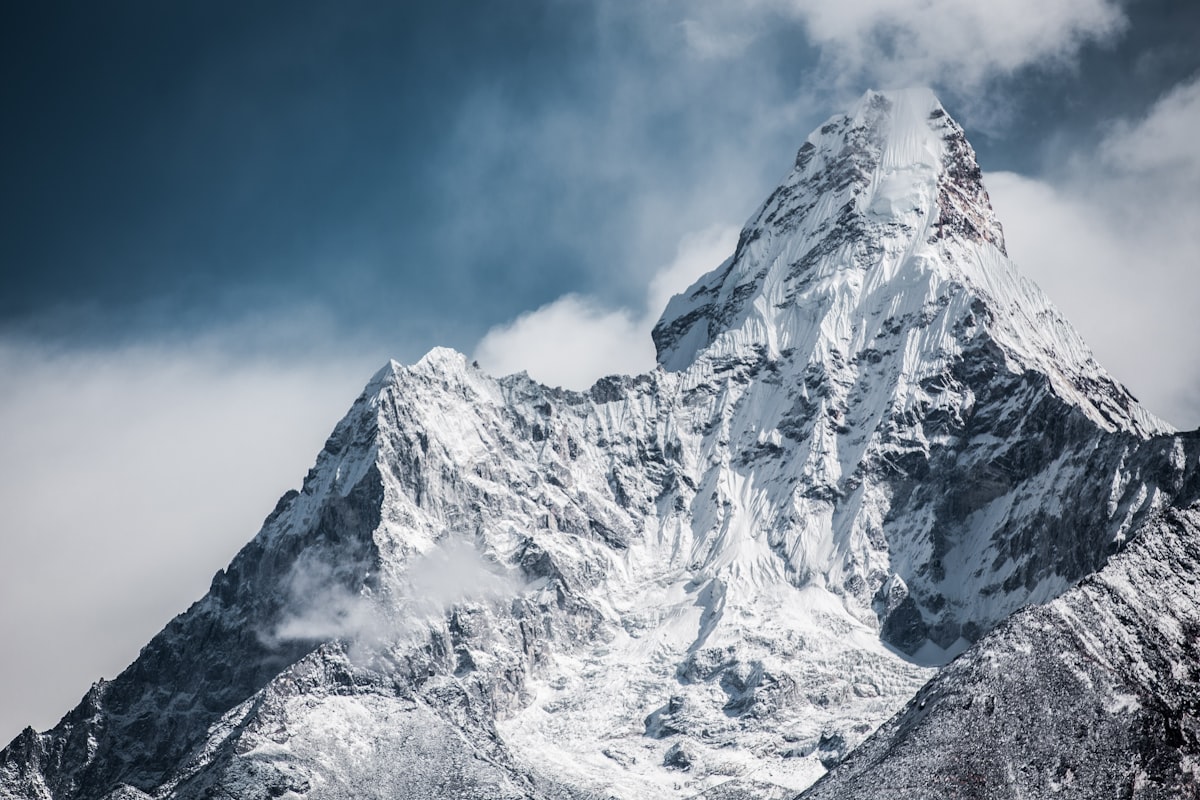
Nepal is one of those destinations that inspires more anxiety before the trip and more wonder during it than almost anywhere else on earth. The logistics look complex. The altitude sounds dangerous. The trekking seems like something reserved for experienced mountaineers. None of this is really true — Nepal is more accessible, more affordable and more rewarding than its reputation suggests, and the Everest Base Camp trek is something that thousands of ordinary, moderately fit people complete every single year.
But Nepal is worth visiting even if you never put on a pair of trekking boots. Kathmandu's medieval temple squares are extraordinary. Pokhara's lakeside setting beneath the Annapurna range is genuinely dreamlike. And the people — warm, direct and justifiably proud of their extraordinary country — make Nepal one of the most welcoming destinations in Asia.
🇳🇵 Is Nepal Worth Visiting in 2026? The Honest Answer
Yes — emphatically. Nepal is one of the world's great travel experiences and far more accessible than most people assume. You do not need to be an expert trekker or have a high altitude tolerance to have an extraordinary trip. You just need to go.
Nepal at a Glance — What First Timers Need to Know
| Category | Details |
|---|---|
| 💰 Currency | Nepalese Rupee (NPR) — approx NPR 133 per USD in 2026 |
| 🌡️ Kathmandu altitude | 1,400m — no altitude issues for most visitors |
| ⛰️ Everest Base Camp altitude | 5,364m — acclimatisation essential, 12-14 days trek |
| 🛂 Visa | Visa on arrival at Tribhuvan Airport — $30 USD (15 days), $50 USD (30 days) |
| ✈️ Getting there | Fly to Kathmandu (KTM) — connections via Delhi, Dubai, Doha, Bangkok, Singapore |
| 📅 Best time | Oct–Nov and Mar–May — clear skies for mountain views, stable weather |
| 🗣️ Language | Nepali — English widely spoken in tourist areas, trekking trails |
| 🌐 Internet | Good in Kathmandu and Pokhara. Limited but available on main trekking trails |
🏔️ Everest Base Camp — Do You Need to Be a Mountaineer?
No. Everest Base Camp (EBC) is a trek, not a climb. You walk on established trails with teahouses (basic mountain lodges serving food and accommodation) every few hours. No technical climbing equipment, no ropes, no ice axes. What you need is moderate fitness, adequate time for acclimatisation and a realistic understanding of altitude sickness.
The standard EBC trek takes 12–14 days return from Lukla (reached by a short flight from Kathmandu). The route passes through Namche Bazaar, Tengboche Monastery and Gorak Shep before reaching EBC at 5,364m. Most trekkers also climb Kala Patthar (5,643m) at dawn for the most famous Everest panorama — the one you have seen in every photograph.
🗓️ EBC Trek — Day by Day Itinerary
1–2
Obtain Sagarmatha National Park permit ($30 USD) and TIMS card ($20 USD). Explore Thamel, Boudhanath Stupa and Pashupatinath Temple. Rest and prepare gear.
3
The Lukla flight (35 minutes) is one of aviation's most spectacular and nerve-wracking approaches. Trek to Phakding — 3.5 hours, relatively easy. First night in a teahouse.
4
6–7 hours. The hardest day of the lower trail — a steep climb to Namche. First views of Everest and Lhotse on the way up. Namche is the main commercial hub of the Khumbu region.
5
Do not skip this rest day. Hike to the Everest viewpoint above Namche for spectacular morning views. Explore the market. Acclimatise. This day determines the rest of your trek.
6–7
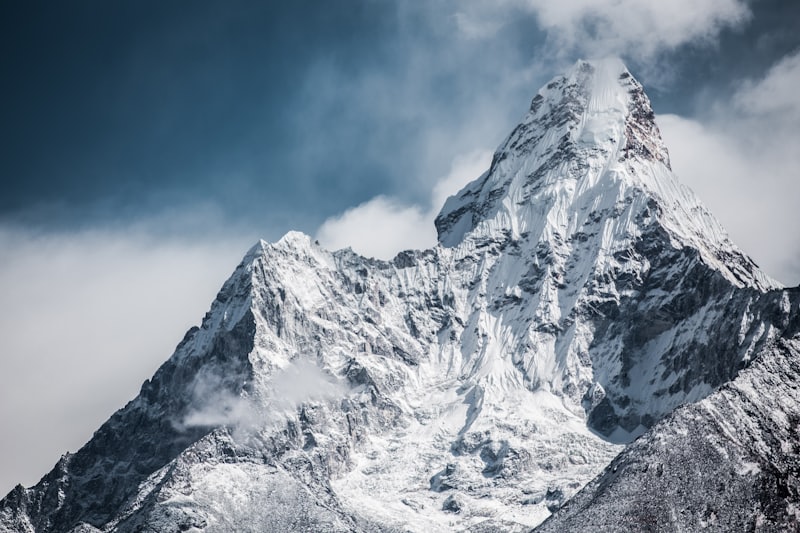
Tengboche Monastery is the spiritual heart of the Khumbu — the monastery at dawn with Ama Dablam behind it is one of Nepal's most photographed scenes. Continue to Dingboche.
8
Short hike above the village for acclimatisation. Rest. Drink fluids. The altitude is becoming serious — listen to your body and your guide.
9–10
The final push. Gorak Shep at 5,164m is your last teahouse. EBC itself is a glacier — no Everest view from base camp itself (the mountain is hidden by the Khumbu Icefall). The achievement and the atmosphere are extraordinary.
11
Pre-dawn start (3am) to reach the summit for sunrise. The view of Everest from Kala Patthar — the entire south face glowing gold in the first light — is the image you came to Nepal for. Begin descent.
12–14
Descent is fast — what took days going up takes half the time coming down. Fly Lukla to Kathmandu. Celebrate. You have just done one of the world's great treks.
Nepal Beyond Everest — What Else Is Worth Your Time
🏯 Kathmandu — Ancient City in a Modern Chaos
Kathmandu is sensory overload in the best possible way — ancient temples wedged between motorbike repair shops, incense smoke rising from medieval courtyards, rickshaws and taxis and sacred cows all sharing the same narrow streets. The Pashupatinath Temple (Hindu cremation ghats on the Bagmati River — the most sacred Hindu site in Nepal, deeply affecting to witness). Boudhanath Stupa — one of the largest stupas in the world, surrounded by Tibetan Buddhist monasteries, the eyes of Buddha watching from every direction. Swayambhunath (Monkey Temple) — the hilltop stupa above the city with its famous resident monkey population and panoramic views of the Kathmandu Valley.
🏞️ Pokhara — The Trek Gateway and a Beautiful City in Its Own Right
Pokhara is Nepal's second city and the gateway for the Annapurna circuit — a lakeside city beneath the Annapurna and Machapuchare (Fish Tail) peaks that is one of the most dramatically beautiful urban settings in Asia. The Annapurna Base Camp trek (7–10 days) and the Poon Hill sunrise trek (3–4 days) are both more accessible than EBC and offer equally spectacular Himalayan scenery. Pokhara's lakeside area (Phewa Lake) with the reflections of Machapuchare in the early morning is genuinely extraordinary and requires no trekking whatsoever.
Nepal Cost Guide 2026
| Category | Budget | Mid-Range | Notes |
|---|---|---|---|
| 🛏️ Kathmandu hotel/night | $15–$40 | $60–$150 | Thamel has every price point |
| 🛏️ EBC teahouse/night | $5–$15 | $20–$40 | Meals extra — budget $20–35/day for food on trail |
| 🗂️ EBC permits | Sagarmatha NP: $30 USD + TIMS card: $20 USD | Required — buy in Kathmandu | |
| ✈️ Kathmandu–Lukla flight | $180–$220 USD return | Book in advance — seasonal demand is high | |
| 🥾 Guide (highly recommended) | $25–$40 USD per day | Not legally required but strongly advised | |
| 🏔️ Porter | $15–$25 USD per day | Carries 15–20kg — transforms the experience | |
| EBC trek total (14 days) | $800–$1,200 | $1,500–$2,500 | Excluding international flights |
Best Time to Visit Nepal
🚫 Nepal Mistakes First Timers Make
The rest day at Namche Bazaar (3,440m) is not optional — it is the single most important day of the EBC trek. Your body needs 24 hours at this altitude before ascending further. Trekkers who skip it are significantly more likely to develop altitude sickness at higher elevations and have to turn back or be evacuated. The standard excuse for skipping is "I feel fine" — altitude sickness often doesn't manifest until 24-48 hours after ascent, not immediately. Take the rest day. Explore. Your summit chances depend on it.
Helicopter evacuation from high altitude on the EBC route costs $3,000–$8,000 USD. This is not a rare event — helicopters are called for altitude sickness, injuries and illness on a regular basis throughout trekking season. Standard travel insurance often excludes activities above 4,000m or does not cover helicopter evacuation. Get a policy specifically designed for high-altitude trekking that includes emergency helicopter evacuation with no altitude ceiling. World Nomads and True Traveller are popular with Nepal trekkers for this reason.
Nepal introduced regulations in 2023 requiring all trekkers in Sagarmatha (Everest) National Park to be accompanied by a licensed guide. Beyond the legal requirement, a good guide is genuinely invaluable on EBC — they manage acclimatisation decisions, communicate with teahouse owners, navigate route variations and recognise altitude sickness symptoms before they become serious. A guide costs $25–40 per day and is one of the best investments you will make on the trek. Hire through a reputable Kathmandu agency or through your operator before departure.
Temperatures at Everest Base Camp average -10 to -20°C at night in peak season. Even in October and November (the best months) the nights are genuinely cold — teahouses are not heated rooms. You need a proper down sleeping bag rated to at least -15°C, a quality down jacket, thermal base layers, fleece, waterproof outer layers, warm gloves and a hat. This is not an area where renting cheap gear in Kathmandu's Thamel market is adequate — your comfort and potentially your safety depend on warm, functioning equipment.
🇳🇵 Top Hotels in Nepal
All hotels →🔗 Essential Nepal Links
🌐❓ Frequently Asked Questions
Absolutely — one of the world's great travel experiences. Kathmandu's ancient temples, Pokhara's mountain views and the EBC trek are all extraordinary and far more accessible than most people assume. You do not need to be an expert trekker.
Strenuous but not technical — no ropes, ice axes or mountaineering experience required. You need moderate fitness (5-7 hours walking/day), time for acclimatisation and tolerance for basic teahouse accommodation. Thousands of ordinary, fit people complete it every year.
Budget $800-1,200 USD for 14 days (excluding international flights). Mid-range $1,500-2,500 USD. Includes Kathmandu-Lukla flights ($180-220), permits ($50 total), teahouse food and accommodation, guide ($25-40/day) and porter ($15-25/day).
October-November (post-monsoon) — clearest skies, most stable weather, best mountain views. March-May (pre-monsoon) second best. Avoid June-September (monsoon) — trails are wet and visibility very poor.
Yes — Nepal introduced regulations in 2023 requiring licensed guides in Sagarmatha National Park. Beyond the legal requirement, a guide manages acclimatisation, recognises altitude sickness and significantly improves safety. Cost $25-40 USD per day.
Yes — the most common reason EBC treks are abandoned. Prevention: never ascend more than 300-500m/day above 3,000m, take all rest days, stay hydrated and descend immediately if severe symptoms appear. A good guide manages this for you.
Visa on arrival at Kathmandu airport — $30 USD (15 days) or $50 USD (30 days). Bring USD cash and a passport photo. Also available as e-Visa before travel at evisa.immigration.gov.np.
Absolutely — Kathmandu's Boudhanath Stupa and Pashupatinath Temple, Pokhara's lakeside views and the shorter Poon Hill trek (3-4 days) all offer world-class experiences without the EBC commitment.
A policy covering high-altitude trekking (no altitude ceiling) and emergency helicopter evacuation. Standard travel insurance often excludes these. Helicopter evacuation costs $3,000-8,000 USD — insurance is not optional. World Nomads and True Traveller are popular for high-altitude cover.
📚 More Adventure Destination Guides
👉Peru Travel Guide — Machu Picchu, Costs & First-Timer Tips 2026Read → 👉How Much Does a Safari Cost in 2026? — Honest BreakdownRead → 👉India Travel Guide for First Timers 2026Read → 👉Solo Female Travel 2026 — 10 Safest DestinationsRead →🛠️ Free Planning Tools
Calculate your exact budget
Check your entry requirements
Best time to visit
What to pack for your trip
Convert to local currency
We research every destination thoroughly — honest, practical guides with no fluff, no sponsored opinions. Just real advice that helps you travel smarter.
Found this helpful? Share it! 😊
Get Free Travel Tips Every Week
Honest destination guides, money-saving tips and first-timer advice — every week.
No spam ever. Unsubscribe anytime.
📖 More Adventure & Asia Guides
✅ Final Verdict
Nepal is worth it in the way that very few destinations are — it changes you. Standing at Kala Patthar at dawn watching Everest turn gold in the first light, the entire south face of the world's highest mountain filling your entire field of vision, after 14 days of walking to get there, is one of the most profound travel experiences available anywhere on earth. But Nepal is worth it even if you never leave Kathmandu's valley — the Boudhanath Stupa at dusk, the smoke from Pashupatinath's ghats drifting across the river, the first glimpse of Machapuchare reflected in Pokhara's lake. Go. Take your rest days. Get a guide. Get the insurance. And take more time than you think you need. Start planning at smarttravelplannr.com 🇳🇵