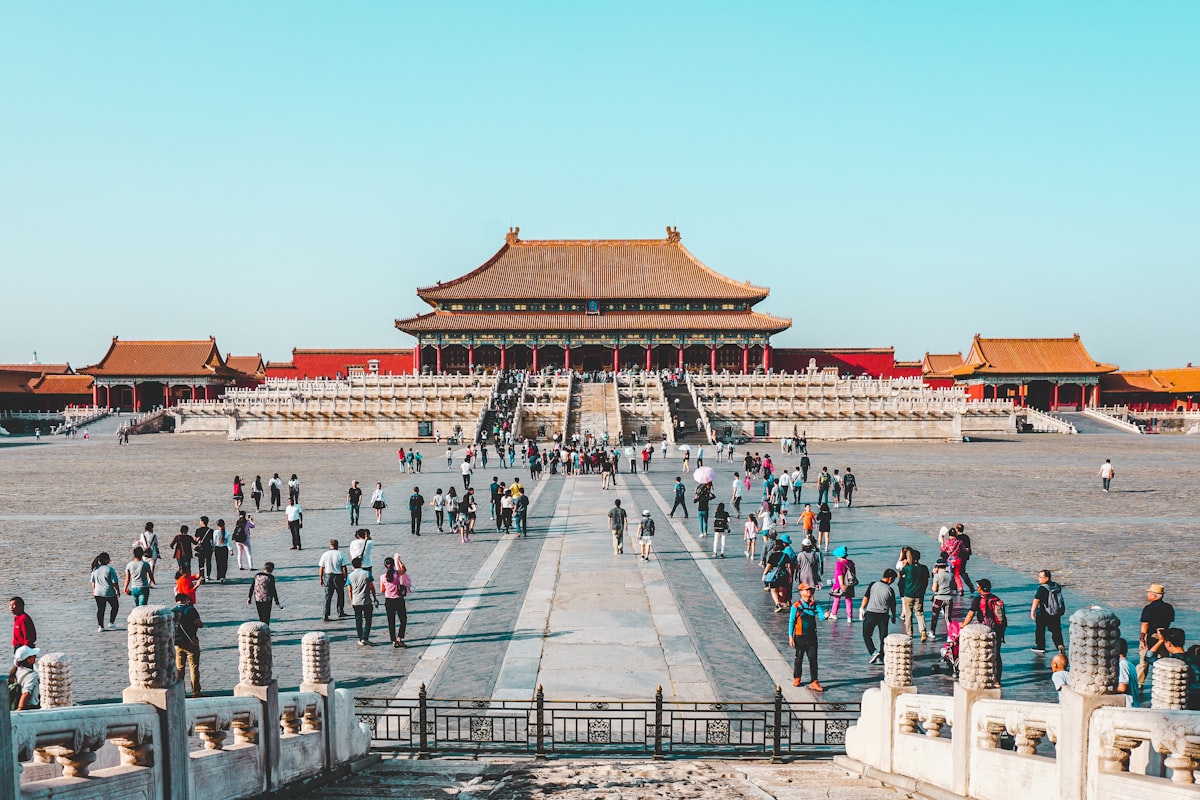
Oman has a secret that most people who have been there describe with a particular kind of quiet urgency — the urgency of someone who wants the word to spread but also part of them does not want the place to change. It is everything the surrounding region promises: dramatic desert landscapes, ancient forts, pristine coastlines and extraordinary traditional culture — without the overwhelming tourist infrastructure, the crowds or the feeling of being processed through a visitor experience rather than experiencing an actual country.
For UK, AUS, US and European first-time visitors looking for a Middle Eastern destination that is genuinely safe, remarkably welcoming, arrestingly beautiful and still relatively undiscovered, Oman is the answer that most people find after they have already visited Dubai or Jordan and are asking what comes next.
🇴🇲 Oman — The Hidden Gem Worth Talking About in 2026
Oman is safe, beautiful, hospitable and genuinely unlike anywhere else in the Middle East. The Grand Mosque in Muscat is one of the world's most beautiful buildings. The wadis (canyons) are extraordinary. The desert dunes at Wahiba Sands are spectacular. And Omani hospitality — the coffee and dates offered before any conversation about business — is the most gracious in the region.
Oman at a Glance
| Category | Details |
|---|---|
| 💰 Currency | Omani Rial (OMR) — approx OMR 0.38 per USD (one of the world's strongest currencies). €1 ≈ OMR 0.42 |
| 🛂 Visa | e-Visa online at evisa.rop.gov.om — approx $20 USD for most nationalities. Visa on arrival also available. Process is quick and straightforward |
| ✈️ Flights | Muscat (MCT) is Oman Air's hub. Direct from London (7.5 hours), Frankfurt, Paris, Singapore. Connections via Dubai (1 hour) from most cities |
| 📅 Best time | October–April (cooler, 20–30°C). Avoid June–August (Muscat can reach 45°C). Salalah in the south has its own monsoon (Khareef) season June–September which is spectacular |
| 🗣️ Language | Arabic — English widely spoken in Muscat, tourist areas and by younger Omanis throughout the country |
| 🧕 Dress code | Conservative dress outside beach areas. Shoulders and knees covered in mosques (free abayas provided at the Grand Mosque). Swimwear appropriate at hotel pools and beaches |
🕌 Muscat — The Capital That Surprises Everyone
Muscat is one of the most elegant capital cities in the Arab world — clean, unhurried, visually coherent in a way that newer Gulf cities are not. The low-rise white buildings, the mountains behind the city, the corniche along the bay and the extraordinary Sultan Qaboos Grand Mosque — completed in 2001 with the world's second-largest hand-woven carpet (4,343 square metres, woven by 600 women over four years) and a chandelier weighing 8.5 tonnes hung with 600,000 Swarovski crystals — make Muscat genuinely beautiful to move through. The Muttrah Souq (the old trading market on the harbour) is one of the most atmospheric in the region — frankincense, silver, dates, fabric. The old forts of Nizwa and Bahla (both UNESCO listed, a 2-hour drive inland) are among the finest preserved fortifications in the Arabian Peninsula.
🏔️ Jebel Akhdar — The Green Mountain
Jebel Akhdar (the Green Mountain) rises 2,980m above sea level in the Al Hajar range — a dramatically different landscape from the desert coast, with cool air, terraced rose gardens producing the damask roses used in Omani rose water, pomegranate orchards and ancient falaj irrigation channels carved into the rock. The views down into Wadi Ghul (often called Oman's Grand Canyon) from the village of Ghul are extraordinary — sheer cliffs dropping hundreds of metres to the canyon floor. A 4WD vehicle is required above the base (available for hire in Nizwa).
🏜️ Wahiba Sands — The Desert Experience
The Wahiba Sands (Sharqiyah Sands) is a sea of golden dunes stretching 180km — one of the most accessible and genuinely spectacular desert experiences in the Arabian Peninsula. From Muscat it is a 3-hour drive. Desert camps range from basic to extraordinarily luxurious (glamping tents with private pools on dune tops exist in Oman). The experience of sleeping in the desert, watching the Milky Way with zero light pollution and riding camels at sunrise is one of Oman's most memorable offerings. A 4WD vehicle is necessary — or arrange transportation through a camp.
🌊 Wadis and Coastline — Oman's Natural Treasures
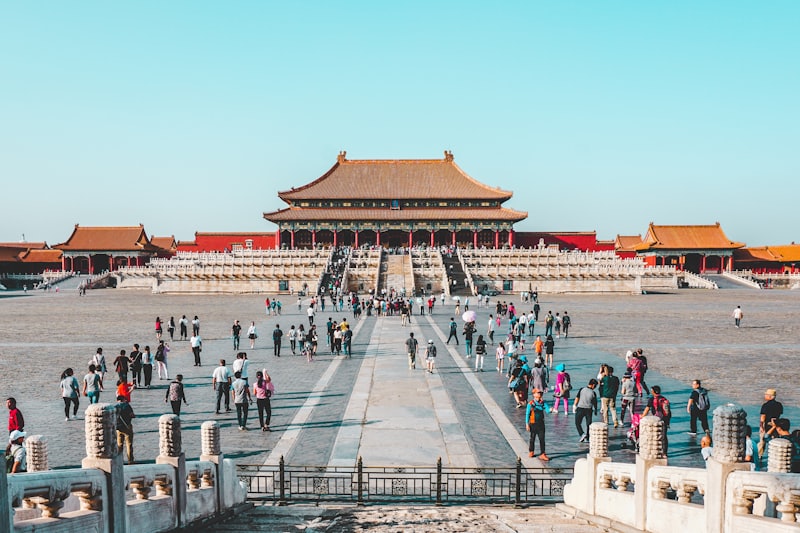
A wadi is a rocky canyon with a seasonal stream — and Oman has some of the most beautiful in the world. Wadi Shab (2.5 hours from Muscat) requires a short boat crossing and a 45-minute hike through turquoise pools to reach a waterfall cave — one of Oman's most extraordinary natural sites and still relatively uncrowded. Wadi Bani Khalid has deeper, swimming-accessible pools surrounded by palm trees. Bimmah Sinkhole (1 hour from Muscat) is a natural swimming hole of turquoise water in a collapsed limestone cave — genuinely beautiful and easy to reach.
Suggested Oman Itinerary
1–2
Grand Mosque at opening. Muttrah Souq afternoon. Muscat Corniche at sunset. Old Muscat forts (Al Mirani and Al Jalali). Al Bustan Palace for a coffee.
3
Day trip from Muscat. Boat crossing to Wadi Shab (OMR 0.5 each), hike to waterfall cave (1.5 hours each way). Bimmah Sinkhole swim on the way back. Return to Muscat.
4–5
Drive Muscat–Nizwa (2 hours, 4WD useful). Nizwa Fort and Friday market. Drive on to Wahiba Sands desert camp. Sunset camel ride. Night in the desert under the Milky Way. Sunrise dune climbing. Drive back to Muscat or continue south.
6–7
Option A (Mountain): Drive Nizwa to Jebel Akhdar. Rose garden walk, Wadi Ghul viewpoint. Cool mountain air, overnight at Anantara Al Jabal Al Akhdar Resort. Option B (Sea): Musandam Peninsula (northernmost tip, Fjords of Oman) for a dhow cruise through dramatic limestone fjords. 4-hour drive from Muscat.
Oman Cost Guide 2026
| Category | Budget | Mid-Range | Luxury |
|---|---|---|---|
| 🛏️ Accommodation/night | OMR 15–30 ($39–78) | OMR 40–80 ($104–208) | OMR 100–300+ ($260–780) |
| 🍽️ Local restaurant | OMR 2–5 ($5–13) — Omani cuisine is excellent and cheap | ||
| 🏜️ Desert camp (per person) | OMR 20–35 ($52–91) | OMR 50–100 ($130–260) | OMR 150–400+ ($390–1,040) |
| 🚗 Car hire (4WD, per day) | OMR 25–50 ($65–130) — essential for most of Oman | ||
| Daily total | OMR 30–50 ($78–130) | OMR 70–130 ($182–338) | OMR 200–500+ ($520–1,300) |
Best Time to Visit Oman
🚫 Oman Mistakes First Timers Make
A 4WD vehicle is not a luxury in Oman — it is a practical necessity for reaching Jebel Akhdar, Wahiba Sands, many wadis and most of the country's most spectacular landscapes. The roads above the base of Jebel Akhdar legally require 4WD. Getting stuck in the Wahiba Sands without 4WD is both dangerous and common. Budget for a 4WD rental at OMR 25-50 per day — it transforms what is accessible and genuinely safe to explore.
The Sultan Qaboos Grand Mosque is one of the world's most beautiful buildings — the hand-woven carpet alone is one of the most extraordinary human artifacts you will ever stand on. It is open to non-Muslim visitors for only three hours per day (08:00–11:00, Saturday–Thursday). This means most people who visit Muscat for a day arrive at the mosque at noon, find it closed and miss it entirely. Book your Muscat days to include an early morning visit.
Muscat in July is 45°C with extremely high humidity — physically dangerous to be outside in for extended periods. The wadis dry up and the desert is dangerously hot. Oman in summer is not a viable tourist experience in the northern and central regions. The exception is Salalah in the south, which has its own monsoon microclimate and turns dramatically green and cool — an extraordinary and very different experience for those who specifically plan for it.
Oman and the UAE share a border but are profoundly different countries in terms of culture, tourism development and feel. The UAE (Dubai, Abu Dhabi) is a highly developed, cosmopolitan tourism economy with a Western-facing visitor experience. Oman is a more traditional, culturally conservative country with a genuine heritage culture that was largely unmolested by oil-driven development. Visitors who go expecting UAE-style luxury everywhere will be surprised; visitors who go expecting something rarer and more authentic will be deeply rewarded.
🇴🇲 Top Hotels in Oman
All hotels →🔗 Essential Oman Links
🌐❓ Frequently Asked Questions
Yes — Oman is one of the safest countries in the world for tourists, consistently ranked among the safest in the Middle East. Crime against visitors is extremely rare. Omanis are exceptionally hospitable and helpful to visitors. Standard common-sense precautions apply but Oman requires far less vigilance than most major travel destinations.
Most nationalities (UK, US, Canada, Australia, EU) can get an e-Visa online at evisa.rop.gov.om for approximately $20 USD, or a visa on arrival. The process is straightforward and quick. Apply a few days before travel to be safe.
Budget travellers manage OMR 30-50 per day ($78-130). Mid-range is OMR 70-130 per day ($182-338). Note: the Omani Rial is one of the world's strongest currencies — prices look low in OMR but translate to reasonable USD/GBP amounts. 4WD car hire is essential and adds OMR 25-50 per day.
October-April is the best time for most of Oman — comfortable 20-30°C temperatures perfect for hiking, wadis and sightseeing. Avoid June-August in Muscat (45°C). Exception: Salalah in the south has its Khareef monsoon season June-September, which transforms the landscape green and is extraordinary.
Yes — for most of Oman's best experiences including Jebel Akhdar (legally required above the base), Wahiba Sands (essential), many wadis and off-road routes. Rent a 4WD from Muscat (OMR 25-50/day). Sticking to the main roads in a regular car significantly limits what you can see and experience.
The Sultan Qaboos Grand Mosque (one of the world's most beautiful), dramatic wadis (canyons with turquoise pools), Wahiba Sands desert, Jebel Akhdar mountain, traditional forts (Nizwa, Bahla, Rustaq), frankincense (Oman is historically the world's main frankincense producer) and exceptional Omani hospitality.
Excellent — possibly the best introduction to the region. It is significantly more conservative and culturally authentic than Dubai while being equally safe and very welcoming to Western visitors. The lack of mass tourism means you experience Oman as a place rather than a tourism product.
Conservative dress outside beach areas — shoulders and knees covered when sightseeing, in souqs and in towns. At the Grand Mosque, women require head covering and abaya (provided free at the entrance), men require long trousers and long sleeves. Swimwear is appropriate at hotel pools and at beaches. Smart casual for restaurants.
📚 More Middle East Guides
👉Jordan Travel Guide for First Timers 2026 — Petra & BeyondRead → 👉Dubai Travel Tips — What You Need to Know Before You GoRead → 👉Egypt Travel Guide for First Timers 2026Read → 👉Morocco Travel Guide for First Timers 2026Read →🛠️ Free Planning Tools
Work out your exact budget
Check your entry requirements
Best time to visit anywhere
Never forget anything again
Convert to local currency
We research every destination thoroughly — honest, practical guides with no fluff, no sponsored opinions. Just real advice that helps you travel smarter.
Found this helpful? Share it! 😊
Get Free Travel Tips Every Week
Honest destination guides, money-saving tips and first-timer advice — straight to your inbox.
No spam ever. Unsubscribe anytime.
📖 More Middle East & Adventure Guides
✅ Final Verdict
Oman is the travel discovery most people make after they have been everywhere else on the list and want somewhere that actually surprises them. The frankincense smoke in the Muttrah Souq, standing on the carpet of the Grand Mosque, swimming in the turquoise pools of Wadi Shab, watching the Wahiba Sands dunes glow orange at sunset — these are experiences genuinely unlike anything else in the region. Go now, while it is still this quiet. Start planning at smarttravelplannr.com 🇴🇲